

On March 30, 2026, the “China-ISPOR Chapter Expert Panel Roundtable on HTA” was successfully held at Peking University. The event was jointly organized by the Institute for Global Health and Development at Peking University, the Institute of Health Economics and Policy at Tianjin University, and the Pharmaceutical Economics Professional Committee of the Chinese Pharmaceutical Association. Dr. Rob Abbott, CEO of the International Society for Pharmacoeconomics and Outcomes Research (ISPOR), attended with representatives. Experts from government, academia, clinical practice, and industry in China participated in constructive discussions on the frontier development of Health Technology Assessment (HTA) in China and global HTA trends in the era of digital economy.
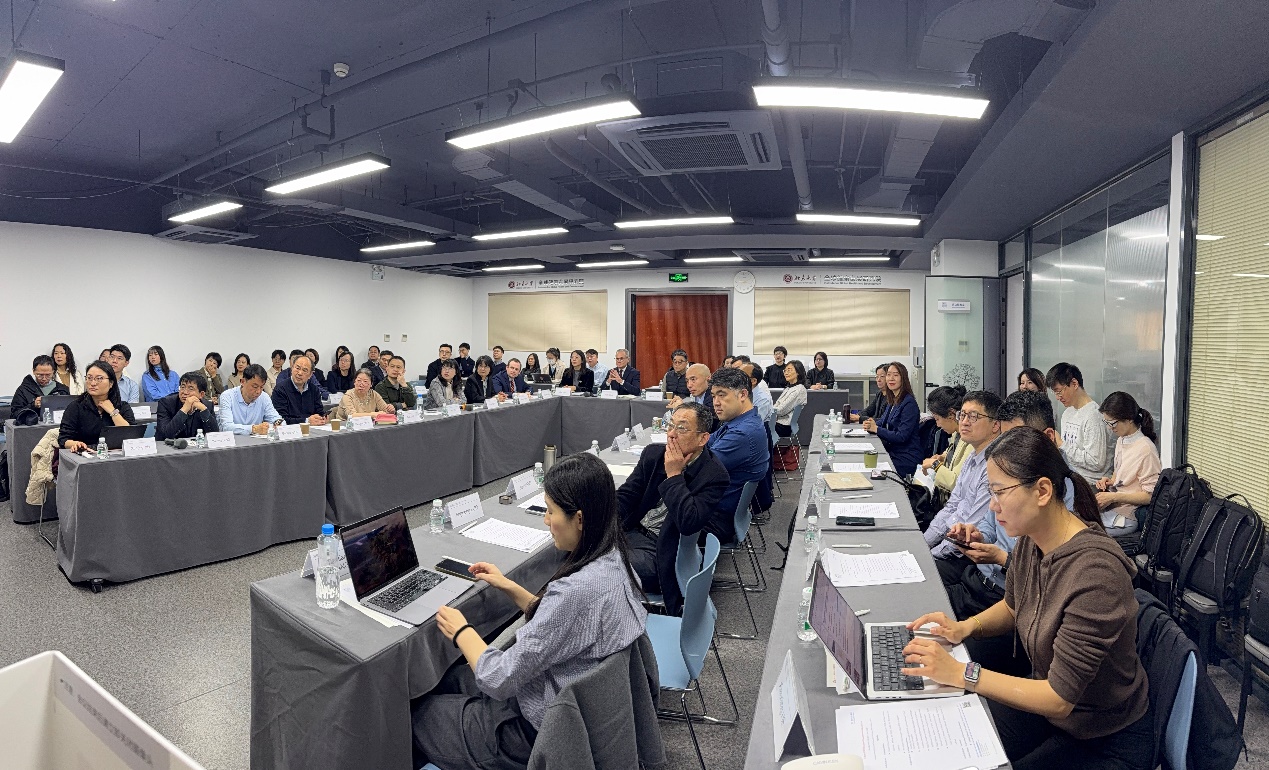
Chinese and international experts and scholars at the roundtable
1. Addressing Challenges and Advancing Development
Professor Gordon G. Liu, Dean of Peking University Institute for Global Health and Development, fellow of the Chinese Academy of Medicine, and Honorary Director of the Pharmaceutical Economics Professional Committee of the Chinese Pharmaceutical Association, delivered the opening remarks. He noted that, in the context of globalization and profound domestic transformation, especially after COVID-19, global health and human development faces both unprecedented challenges and opportunities. The establishment of the Institute for Global Health and Development at Peking University aims to respond to emerging global health challenges; through interdisciplinary research, professional training, and collaboration among industry, academia, and policy research, it aims to cultivate future leaders in the field of global health policy and enhance China’s capacity to participate in global governance. He emphasized that HTA serves as a key link between medical technology and public policy decision-making. It plays an important role in resource allocation, promoting pharmaceutical innovation, and improving population health. This roundtable provides a critical platform for international and domestic exchange and collaboration in this field.
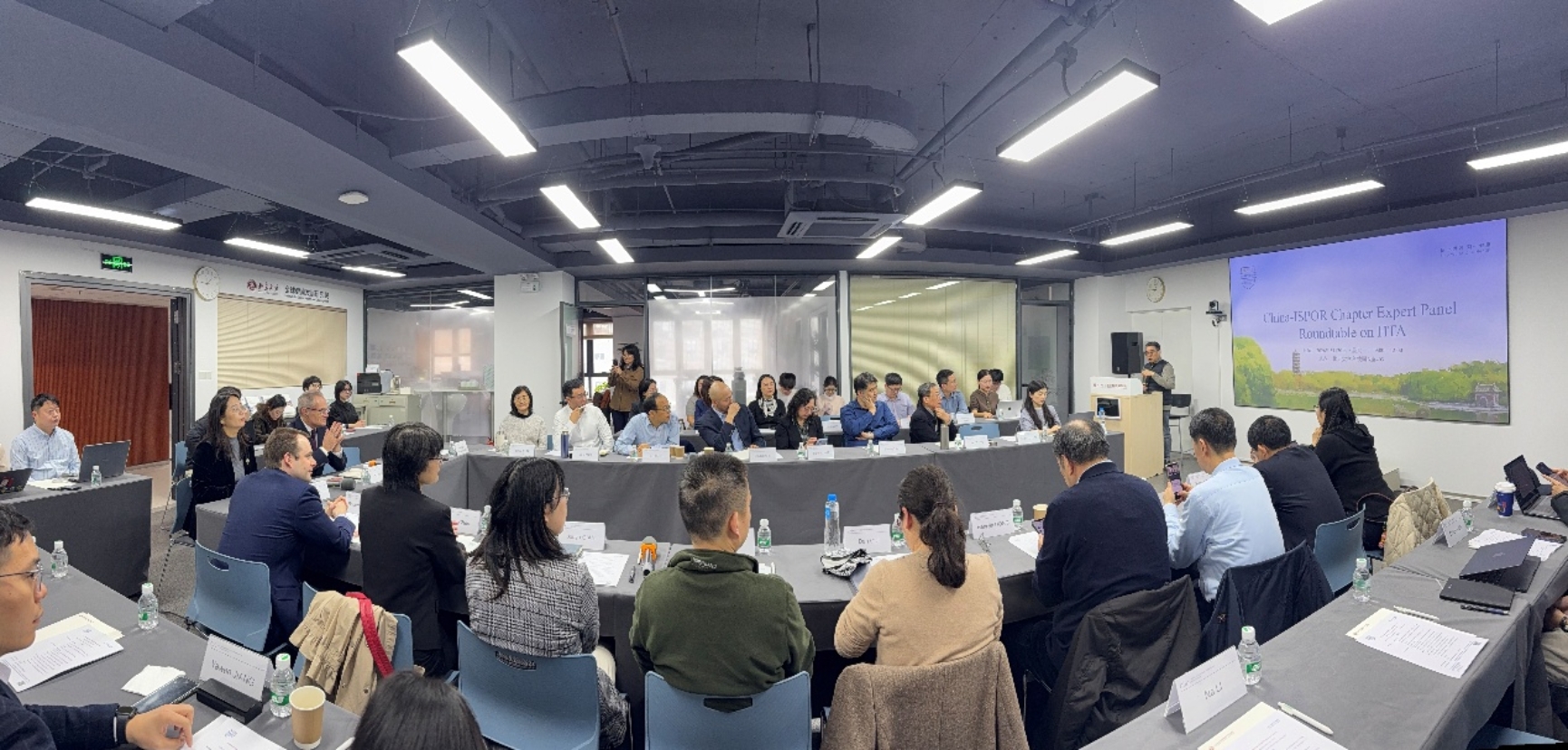
Professor Gordon G. Liu delivering the opening remarks
Dr. Rob Abbott, CEO of ISPOR, expressed his appreciation for the visit to China and reviewed ISPOR’s long-standing collaboration with Chinese stakeholders. He introduced ISPOR’s Strategic Plan 2030, which has the vision of “A world where healthcare is accessible, effective, efficient, and affordable for all”. He highlighted China’s progress in healthcare and noted shared global challenges such as population aging and rapid technological change. Dr. Abbott specifically noted that China’s significant progress in healthcare has attracted global attention, while it is also facing common global challenges such as population aging and rapid changes in health technologies. He believes that HTA plays a crucial role in healthcare decision-making: it helps control costs, ensures value for health insurance funds, and guides the direction of innovation. He expressed appreciation for China’s emphasis on innovation and public health in the 14th Five-Year Plan, as well as its entry into the top ten in Global Innovation Index rankings for the first time. Dr. Abbott emphasized that ISPOR has identified the Asia-Pacific region as a key strategic priority and looks forward to strengthening collaboration with Chinese colleagues, viewing China as an important partner and source of innovation in addressing global health challenges.
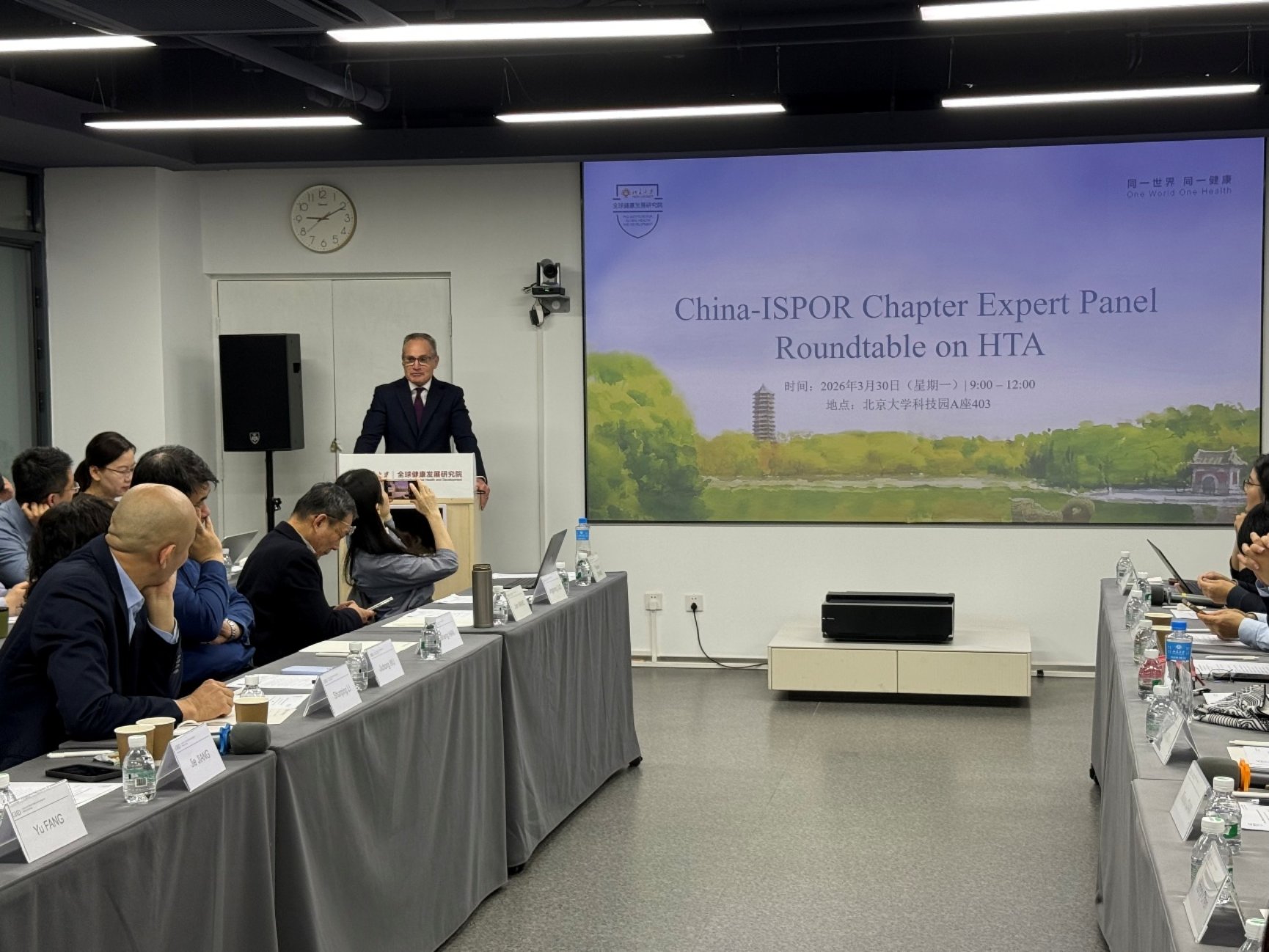
Dr. Rob Abbott delivering the opening remarks
2. Broad Participation and Multilateral Collaboration
Since entering China in 2000, the International Society for Pharmacoeconomics and Outcomes Research (ISPOR) has continuously focused on disciplinary development and professional training, and has formed an active academic network spanning multiple regions and linking industry, academia, policy research, and healthcare institutions. Over the years, regional chapters have made steady progress by organizing regional academic conferences, participating in ISPOR Asia Pacific and global summits, and conducting HTA methodological training and guideline translation. These efforts have contributed to the localized application of pharmacoeconomics, more evidence-based health insurance decision-making, and the cultivation of interdisciplinary HTA professionals. At this meeting, representatives from major ISPOR regional chapters and partner institutions in China systematically reported on their recent development, achievements, and future plans.
Prof. Xiaoning He, Associate Professor at Tianjin University and Secretary-General of the Pharmaceutical Economics Professional Committee of the Chinese Pharmaceutical Association, reviewed the committee’s development and core activities. He noted that its membership now spans universities, healthcare institutions, and pharmaceutical companies. Through organizing annual conferences and regional workshops in Shanghai, South China, West China, North China, and Zhejiang, as well as actively participating in ISPOR Europe and Asia Pacific Summits, the committee has continued to promote academic exchange and the training of young scholars.
Prof. Lihua Sun, President of the ISPOR Northeast China Chapter and Professor at Shenyang Pharmaceutical University, introduced the chapter’s work since its establishment in 2021 in building academic platforms and promoting pharmacoeconomics.
Prof. Yu Fang, President of the ISPOR Northwest China Chapter and Professor at Xi’an Jiaotong University, reported on the chapter’s efforts based in western China, including its role in supporting pharmaceutical policy collaboration under the Belt and Road Initiative and its organization of the Silk Road Forum.
Prof. Zhang Tiantian, Secretary-General of the South China Chapter and Professor at Southern Medical University, introduced her team’s exploration of industry–academia–research collaboration in the Guangdong–Hong Kong–Macao Greater Bay Area.
Prof. Li Shunping, Professor at Shandong University, reviewed recent research progress in health preference measurement and patient-reported outcomes from a patient-centered perspective.
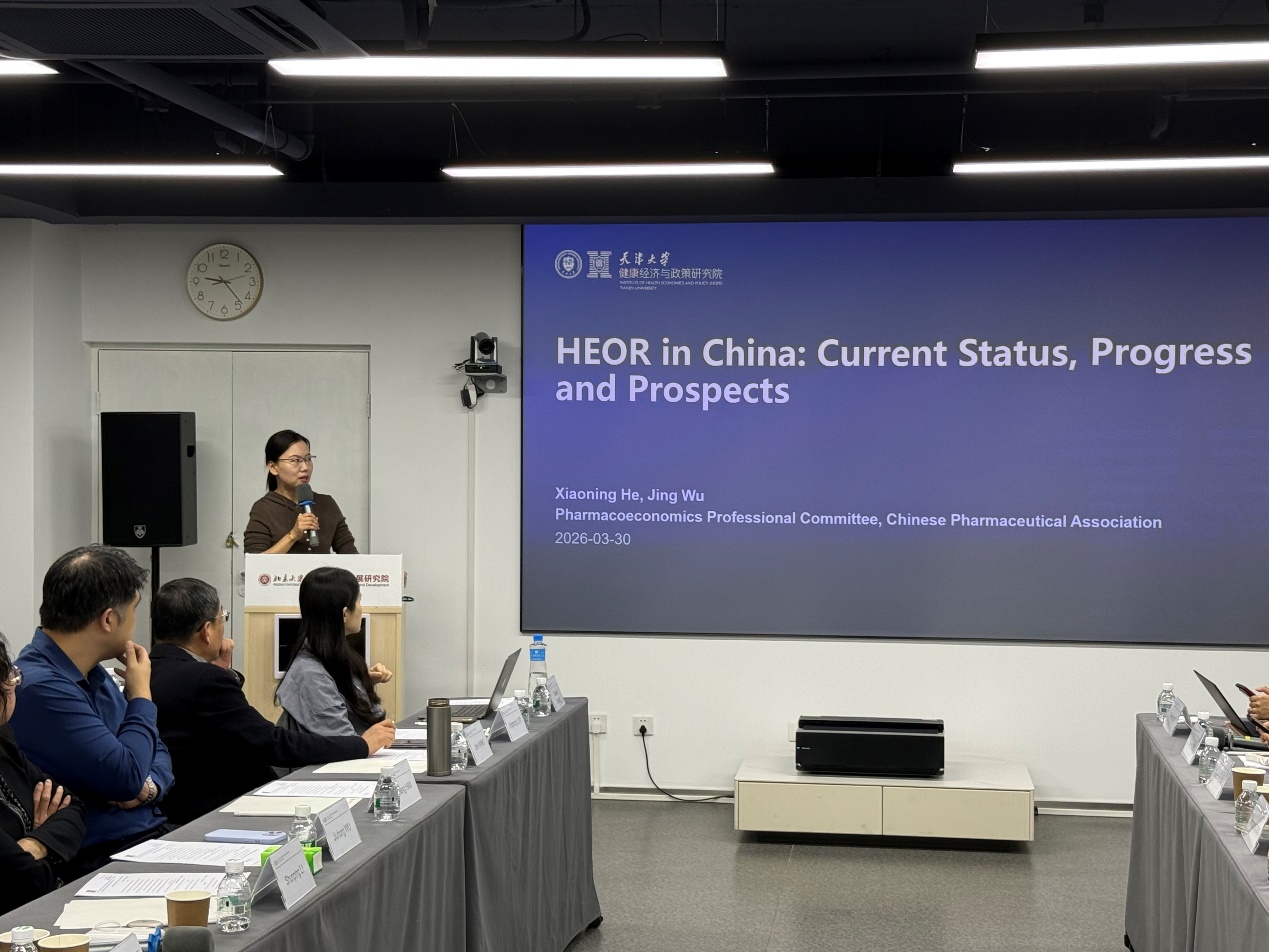
Associate Professor Xiaoning He of Tianjin University delivering the keynote speech
3. Focused Discussions and Exchange of Ideas
During the roundtable discussion, participating experts engaged in discussions on key issues in HTA practice. On the interaction between pharmaceutical innovation in China and HTA, Prof. Xuejing Jin of Beijing University of Chinese Medicine noted that China’s biopharmaceutical innovation is rapidly expanding. A large number of startups and investors urgently need HTA tools to predict the future market prospects of products, but they face challenges related to cost and technical barriers. Prof. Guoqiang Liu, Director of the Department of Pharmacy at the Third Hospital of Hebei Medical University, suggested exploring the use of digital technologies such as artificial intelligence to develop more intelligent and lower-cost analytical tools to support early-stage R&D and investment decisions. This could become an important direction for future cooperation between China and the United States. Dr. Rob Abbott responded that ISPOR has already begun to pay attention to early-stage investment and plans to strengthen its connections with the upstream innovation ecosystem.
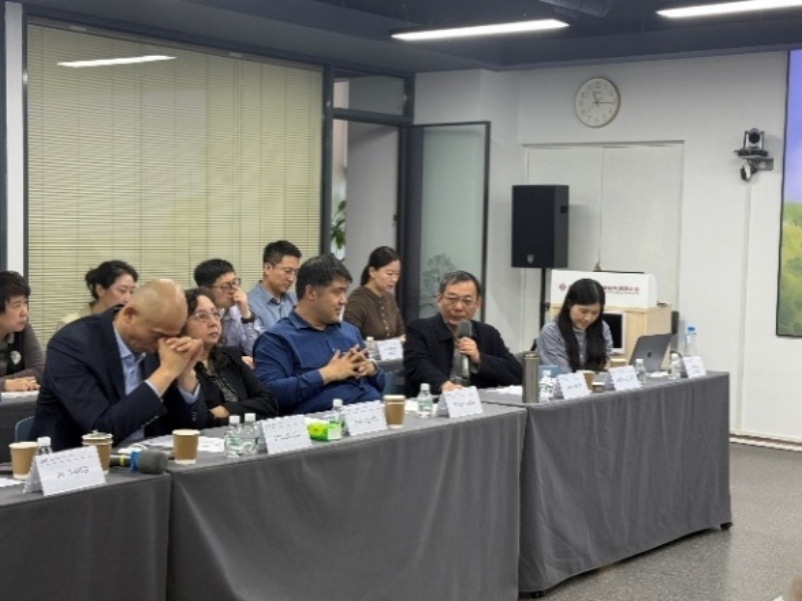
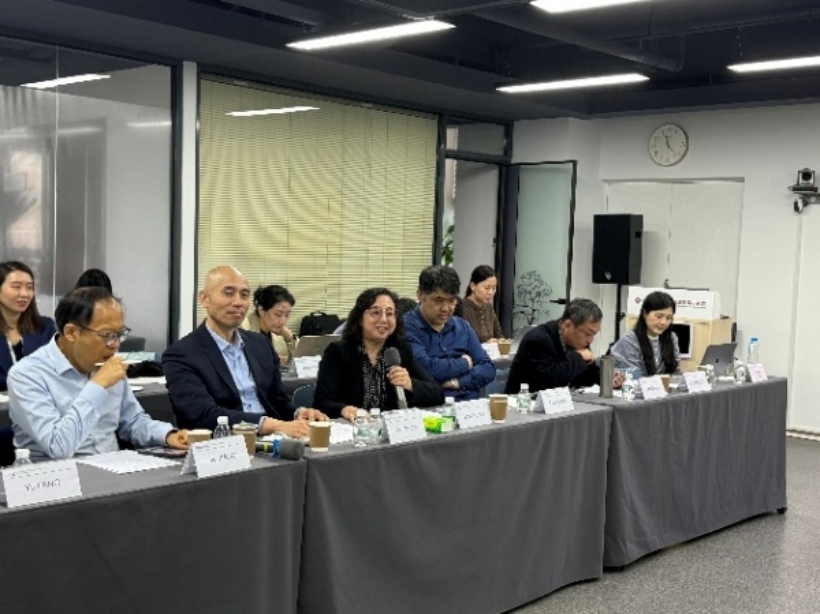
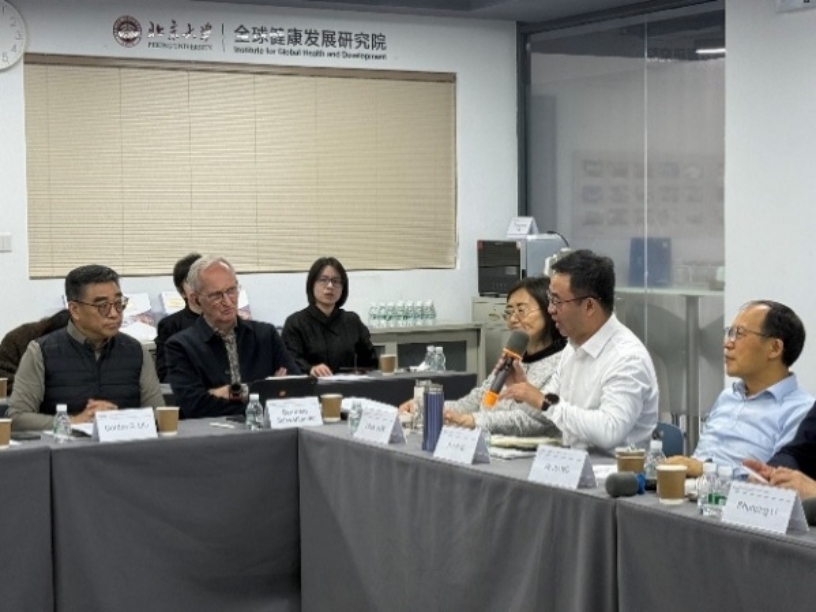
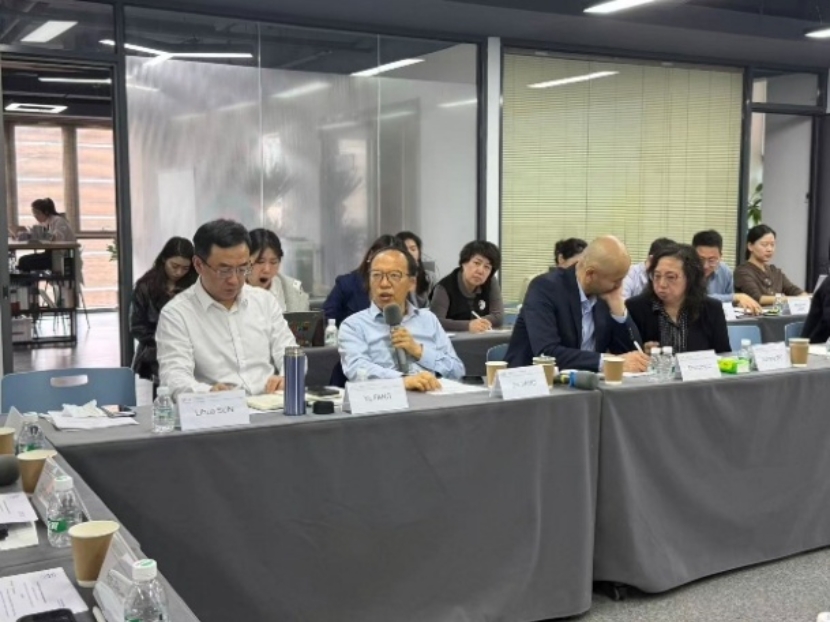
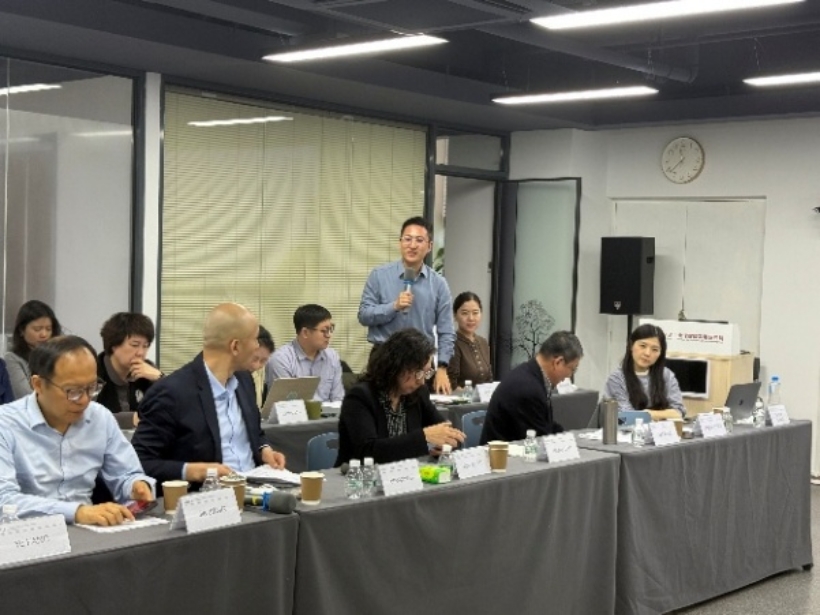
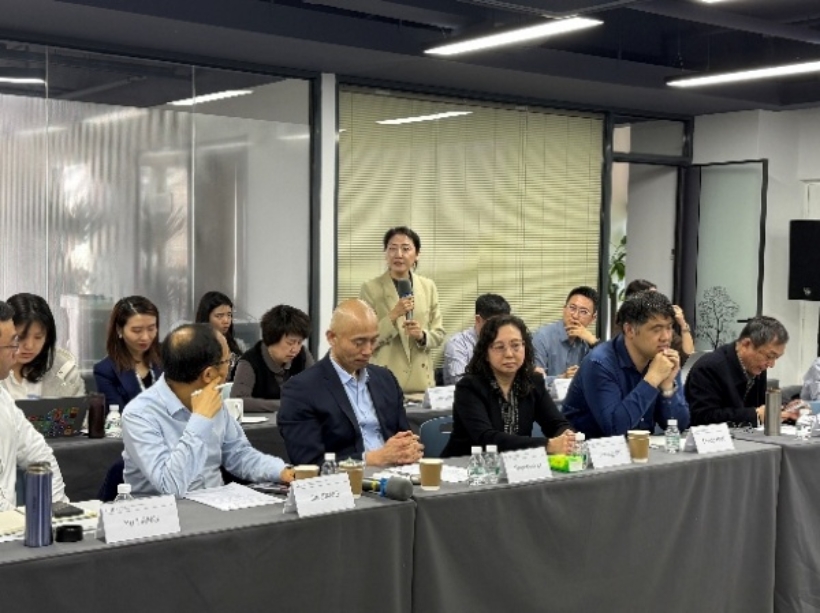
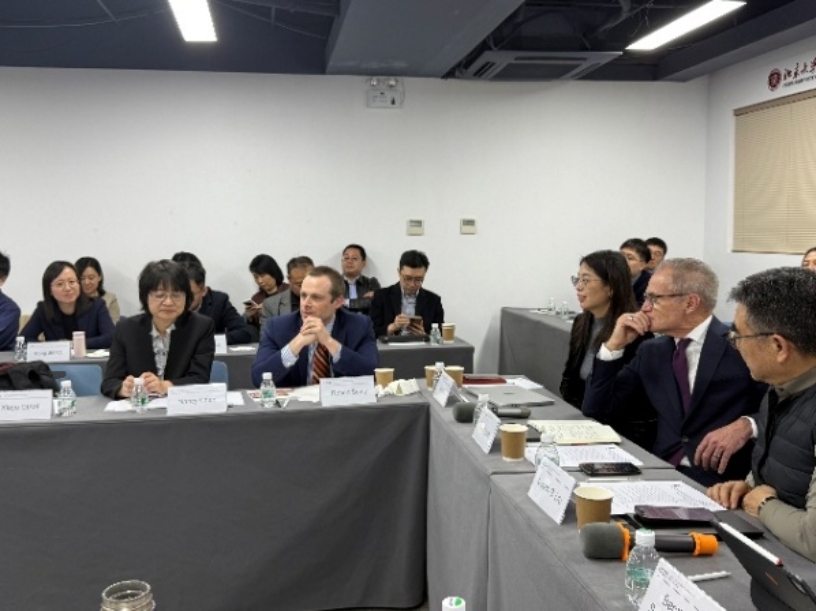
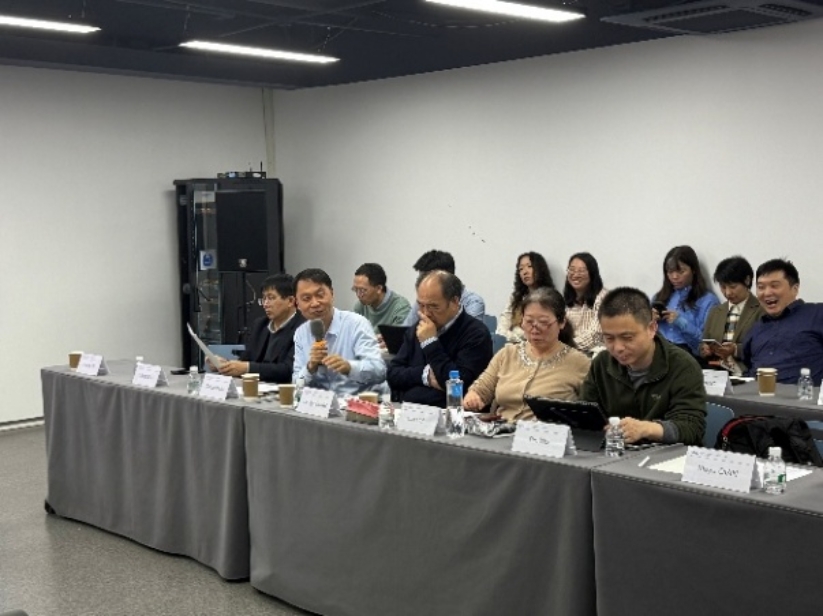
Roundtable Discussion
On HTA evidence generation and the optimization of value frameworks, several experts, including Prof. Hengjin Dong of Zhejiang University, Prof. Yawen Jiang of Sun Yat-sen University, Prof. Sheng Han (Deputy Director of the International Research Center for Medicinal Administration at Peking University), Prof. Jian Wang of the Dong Fureng Institute of Economic and Social Development at Wuhan University, Prof. Jiuhong Wu (Chair of the Pharmacoeconomic Policy Committee of the China Health Economics Association), Prof. Lanting Lyu of Renmin University of China, and Mr. Robert Selby (Senior Director of Global Partnerships at ISPOR), noted that traditional HTA value dimensions may not fully reflect value from the patient perspective. There is a need to move from “patient participation” to “patient collaboration,” making patients true partners in research and reconsidering how value is defined. Dr. Rob Abbott expressed strong agreement, emphasizing the need to build a new paradigm that incorporates what truly matters to patients, which will be an important direction for the future development of HTA.
On the international relevance of China’s experience and the challenges of localization, several experts, including Prof. Yu Fang (Vice Dean of the School of Pharmacy at Xi’an Jiaotong University), Prof. Minghuan Jiang of Xi’an Jiaotong University, and Prof. Dan Cui of Wuhan University, pointed out that China’s HTA practice and decision-making environment are distinctive. The resulting “China experience” provides important reference value for other developing countries. Future efforts should focus on developing more adaptable HTA methodologies and knowledge translation approaches for countries at different levels of development.
In addition, Prof. Jing Wu (Director of the Pharmaceutical Economics Professional Committee of the Chinese Pharmaceutical Association and Party Secretary of the School of Pharmaceutical Science and Technology at Tianjin University), Prof. Jie Jiang of Jinan University, and other experts exchanged views on topics including the economic evaluation of traditional Chinese medicine, the role of HTA in healthcare service quality and in reflecting the value of pharmacists, and ways to strengthen methodological exchange and collaboration among researchers in China, the United States, and globally. The discussions were active, with continuous exchange of perspectives.
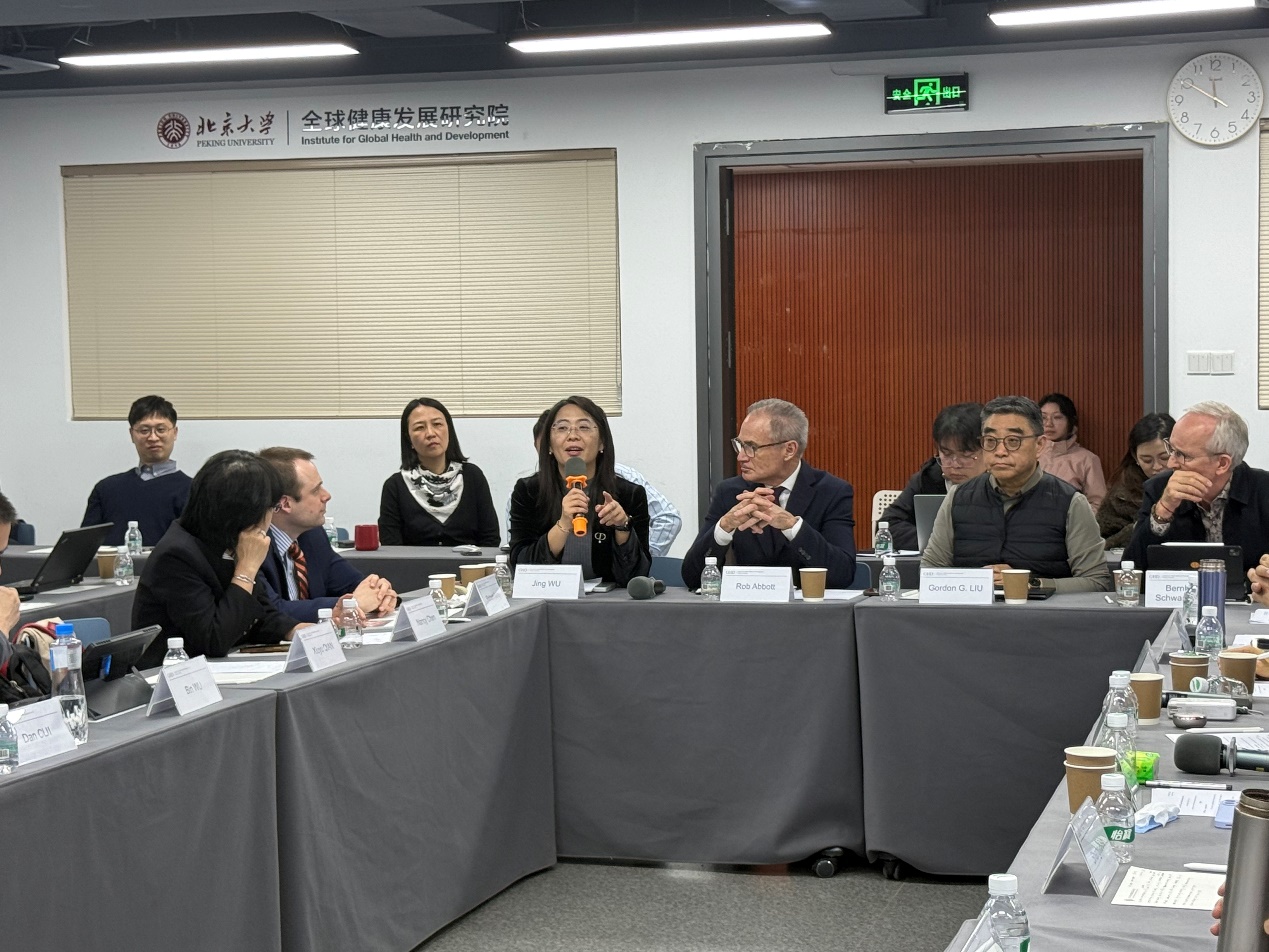
Prof. Jing Wu giving speech
4. Moving Forward Together Toward the Future
At the conclusion of the meeting, Prof. Bernhard Schwartländer, Distinguished Chair Professor of Planetary Health at Peking University, delivered the closing remarks. He spoke highly of the outcomes of the roundtable, noting that the work presented by HTA research teams in China was impressive, particularly in translating academic evidence into policy impact. He emphasized that under complex challenges such as globalization and climate change, the concept of “One World, One Health” is becoming increasingly important. HTA is a key tool for optimizing resource allocation and improving health outcomes, whose development requires close collaboration on a global scale. He called on international organizations such as ISPOR to build stronger partnerships with Chinese research institutions and scholars, not only to further improve existing economic evaluation methods, but also to jointly define and address future health challenges in a forward-looking manner.
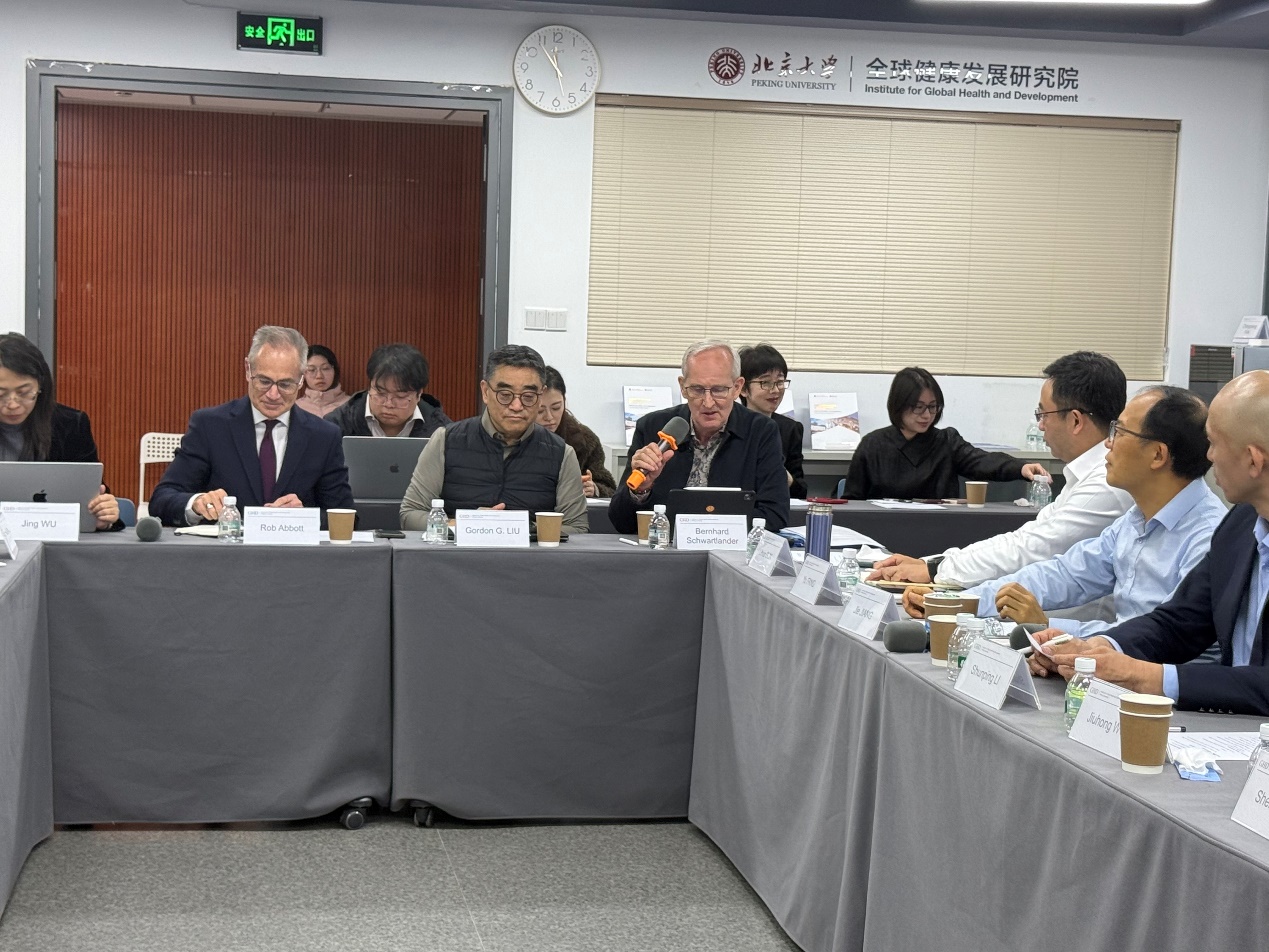
Prof. Bernhard Schwartländer delivering closing remarks
This roundtable not only provided a comprehensive overview of the current state and vitality of the HTA field in China, but also explored in depth the opportunities and challenges it faces. It has laid the groundwork for strengthening international collaboration in health technology assessment, pharmacoeconomics, and outcomes research, and has contributed academic insight and practical direction to advancing a global community of shared health for all.


