

On April 17, 2026, a delegation from the State Secretariat for Education, Research and Innovation (SERI) of Switzerland visited the Institute for Global Health and Development (GHD) at Peking University and held a roundtable discussion. The meeting focused on global health governance, sustainable development, and the development of the Planetary Health Axis System (PHAS). Representatives from SERI, the Embassy of Switzerland in China, and PKU GHD attended the meeting.
The meeting was chaired by Bernhard Schwartländer, Distinguished Chair Professor of Planetary Health at GHD, who delivered the opening remarks. He welcomed the SERI delegation and emphasized the importance of strengthening interdisciplinary, inter-institutional, and international collaboration in response to increasingly interconnected global challenges.
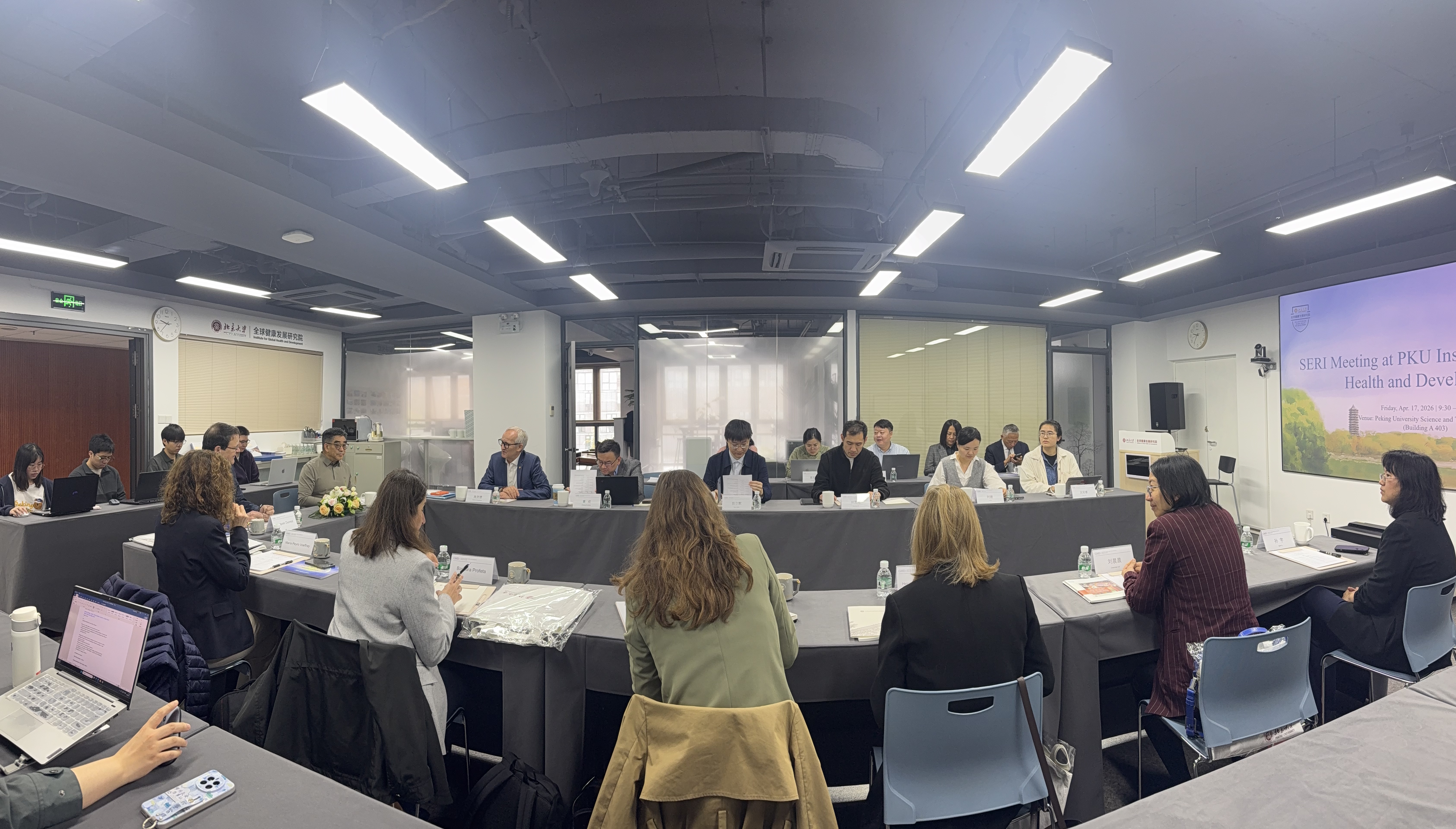
Opening remarks by Professor Bernhard Schwartländer
Professor Gordon G. Liu, Dean of GHD, introduced the background, development, and mission of the institute. He noted that GHD was established in response to growing global public health challenges and is committed to integrating expertise from economics, international relations, environmental science, and other disciplines with medical research and health practice, in order to advance forward-looking research, talent development, and policy innovation in global health.
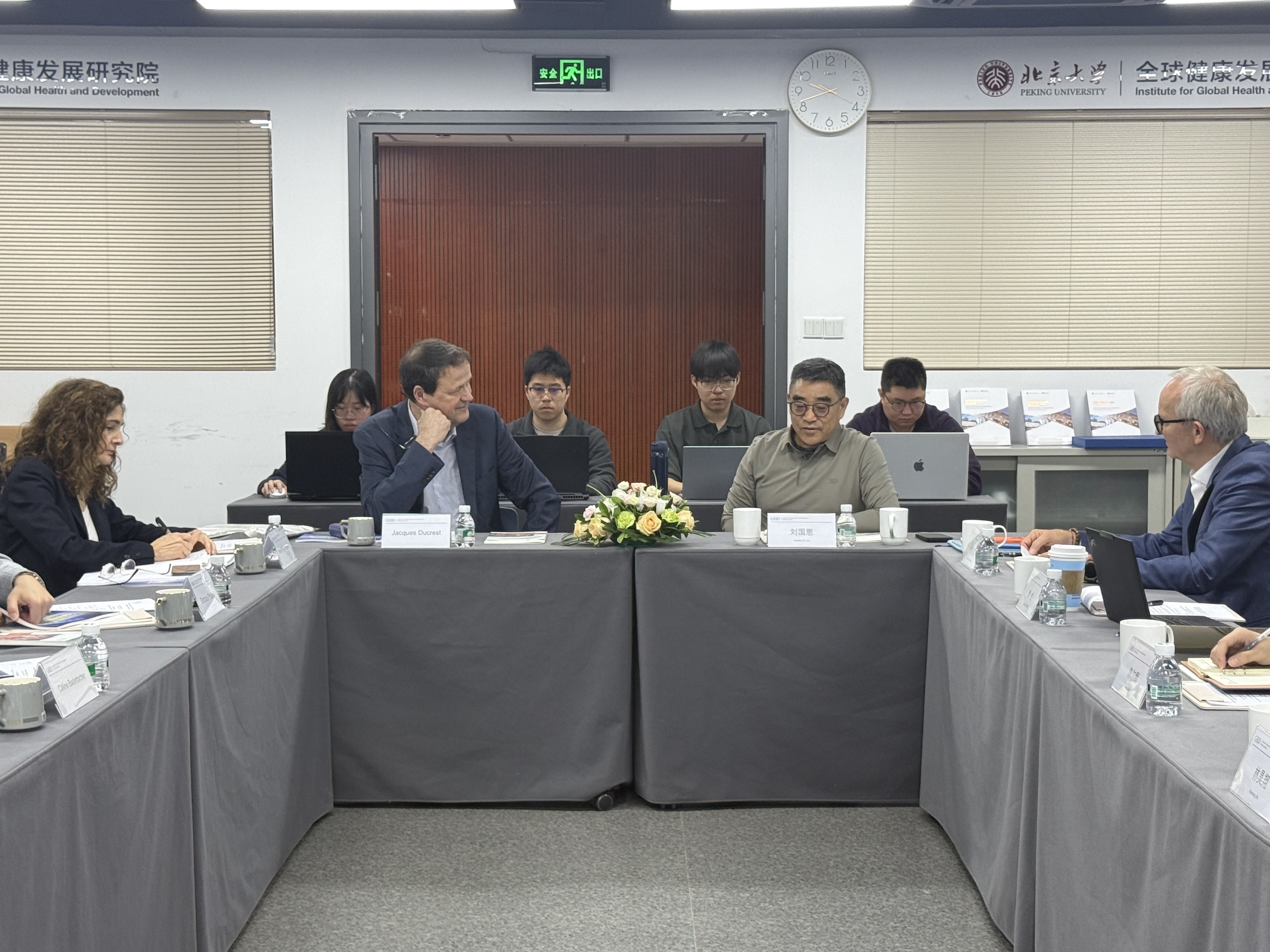
Overview of GHD by Dean Gordon Liu
Ambassador Jacques Ducrest, Head of International Relations Division at SERI, then introduced SERI’s priorities in international cooperation in education and research. Drawing on international experience in sustainability governance, he stressed that scientists, policymakers, economic actors, and society at large all have a role to play in promoting a more coordinated, long-term, and sustainable development path.
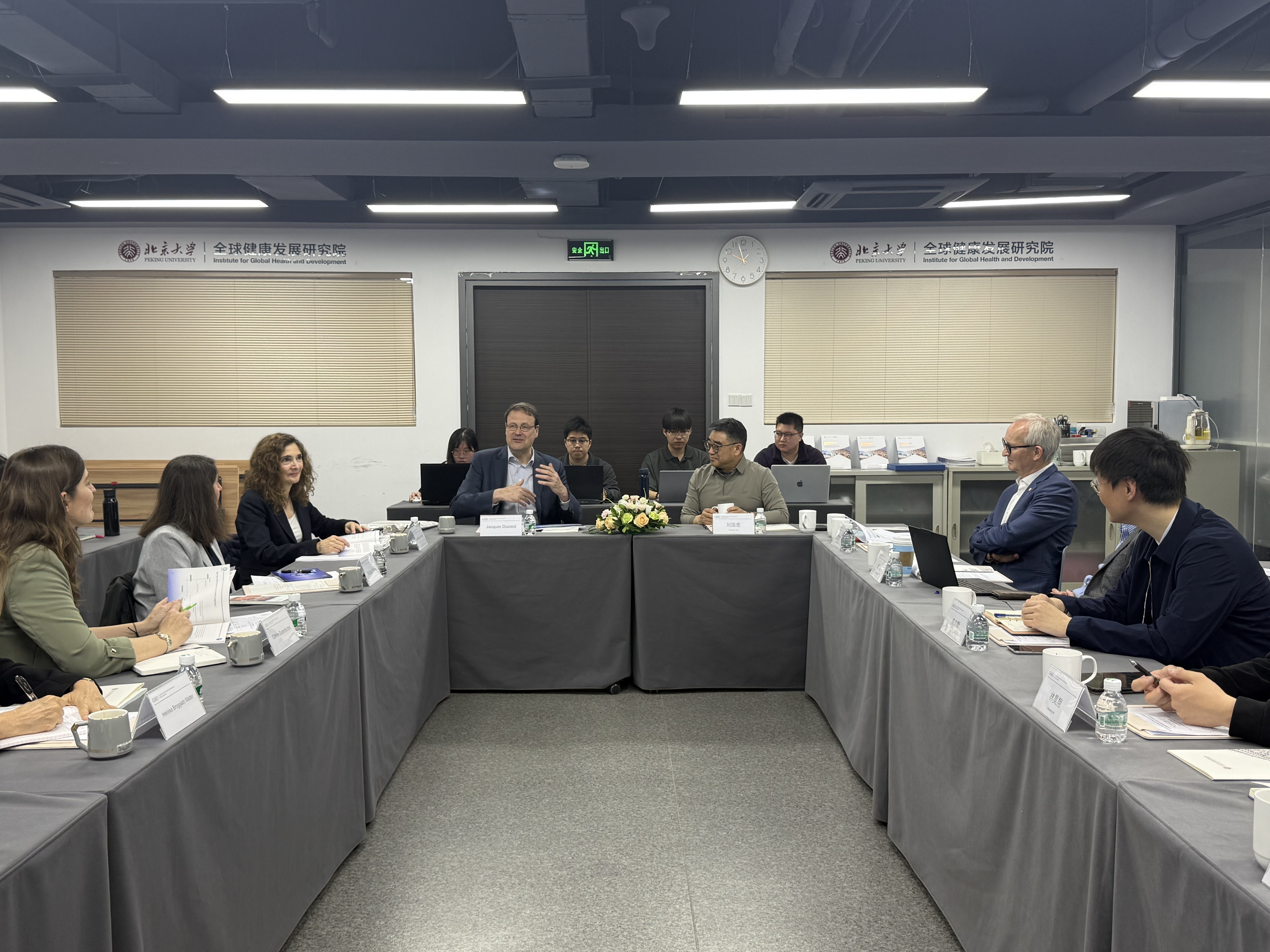
Overview of SERI by Ambassador Jacques Ducrest
During the thematic presentation session, Ermo Chen, Chief Scientist of the Planetary Health Axis System, presented the progress of PHAS. He explained that PHAS is an AI-enabled system that seeks to dynamically characterize and analyze planetary health across four dimensions: human health, species health, environmental health, and societal health, supporting the understanding and decision-making on complex global issues through multidisciplinary data integration, causal pathway analysis, and expert feedback. He further introduced Chen Ermo further introduced PHAS-M, an application already empowered by PHAS, as well as several methodological explorations within PHAS, including an economics framework that places greater emphasis on intergenerational equity and long-term sustainability and theoretical work on the tension between short-term incentives and long-term public welfare. These efforts aim to provide more systematic analytical tools for issues such as climate change, resource constraints, health risk early warning, and global governance.
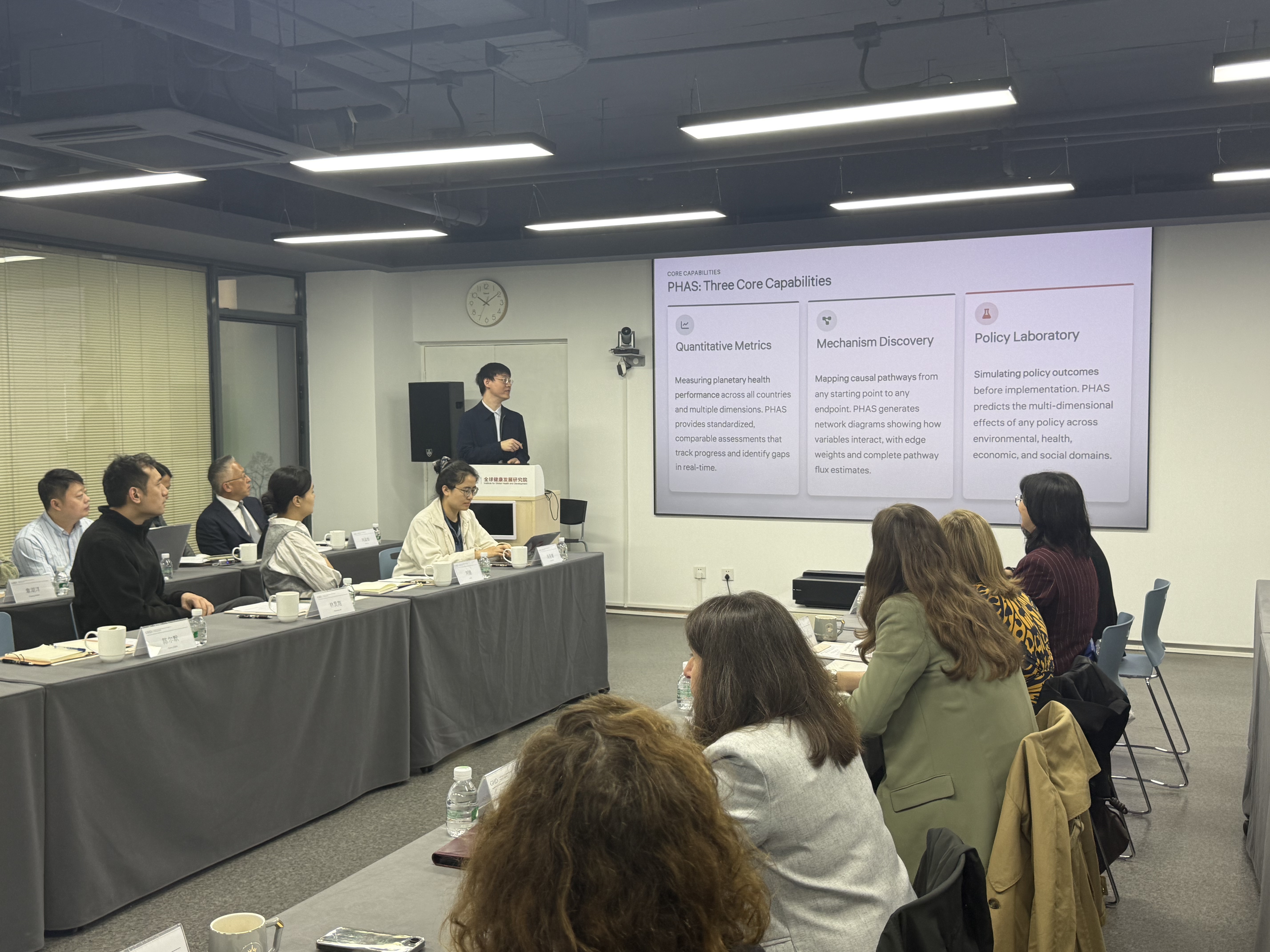
PHAS progress report by Dr. Ermo Chen
In the roundtable discussion, participants exchanged views on several major issues. Key topics included how to strengthen the role of scientific evidence in policymaking under the sustainable development agenda, how to better address the relationship between short-term interests and long-term goals, how to incorporate factors such as societal health, governance capacity, and willingness to cooperate into more comprehensive analytical frameworks, and how to promote broader international exchange and collaboration around these research efforts.Participants noted that effective responses to global health and sustainability challenges cannot rely on any single sector or discipline alone. Going forward, further coordination in data, methods, and knowledge systems will be needed, together with stronger interpretability, communication, and policy translation of research outputs, in order to better support cross-sectoral and cross-national decision-making.
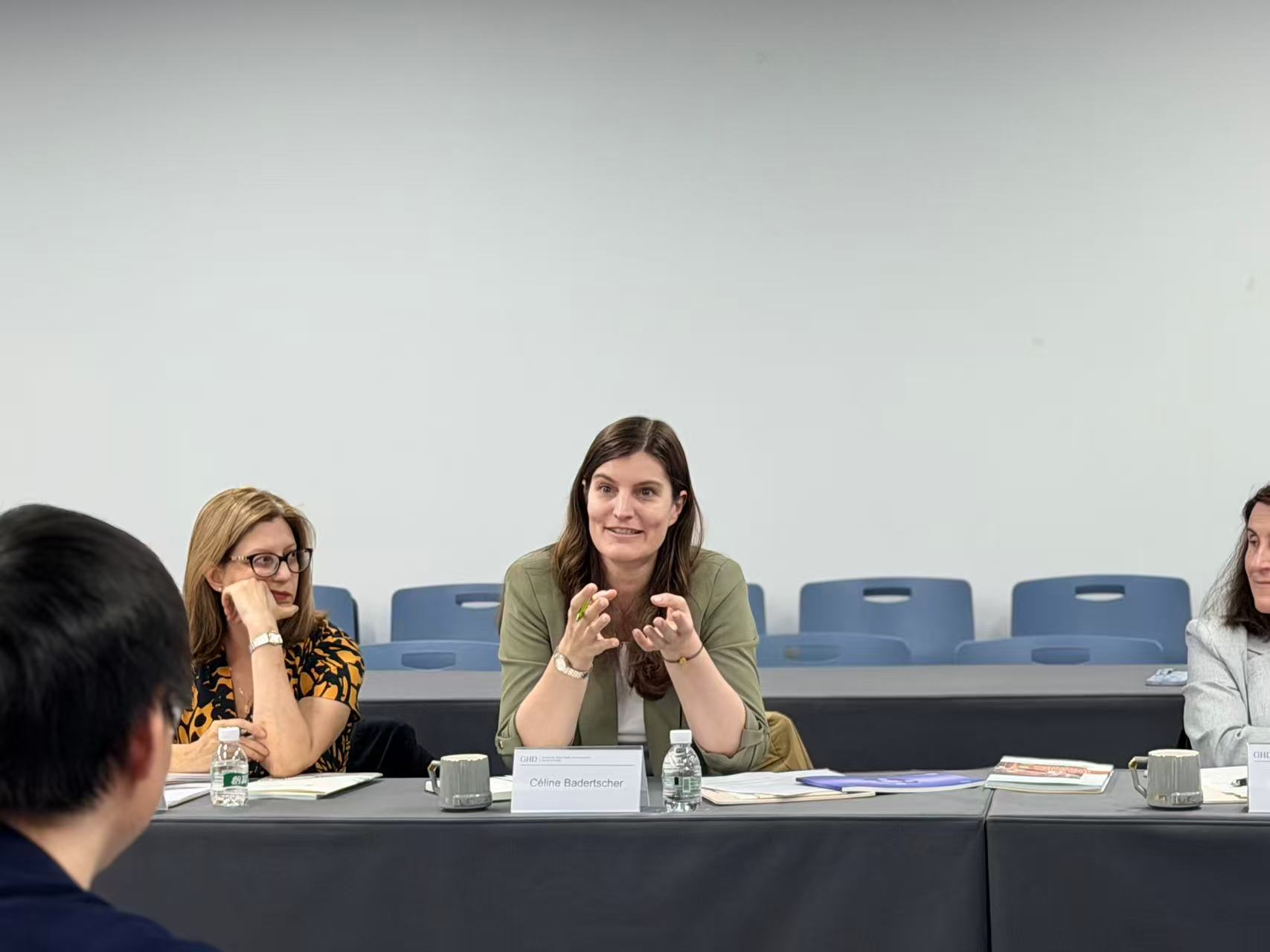
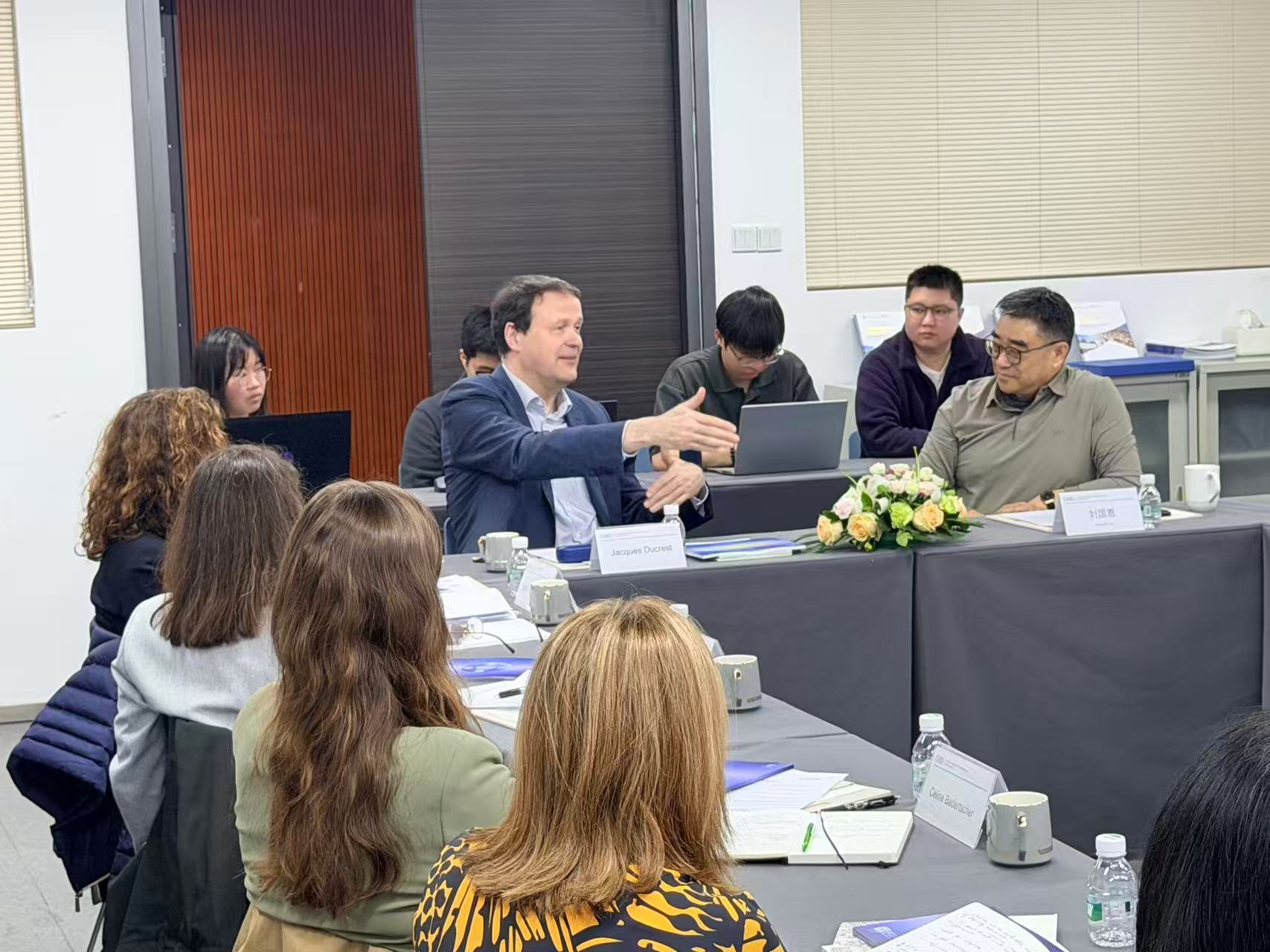
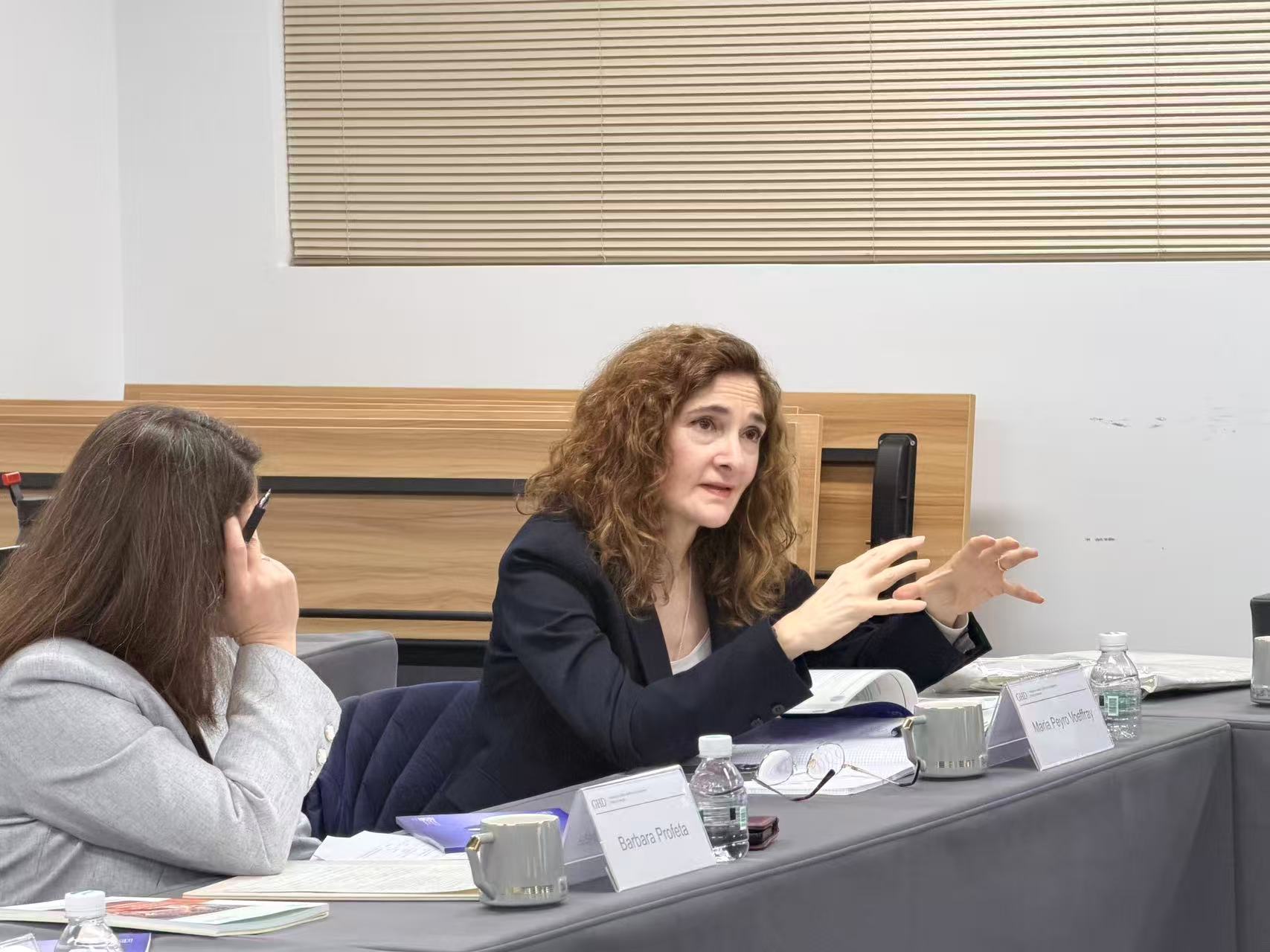
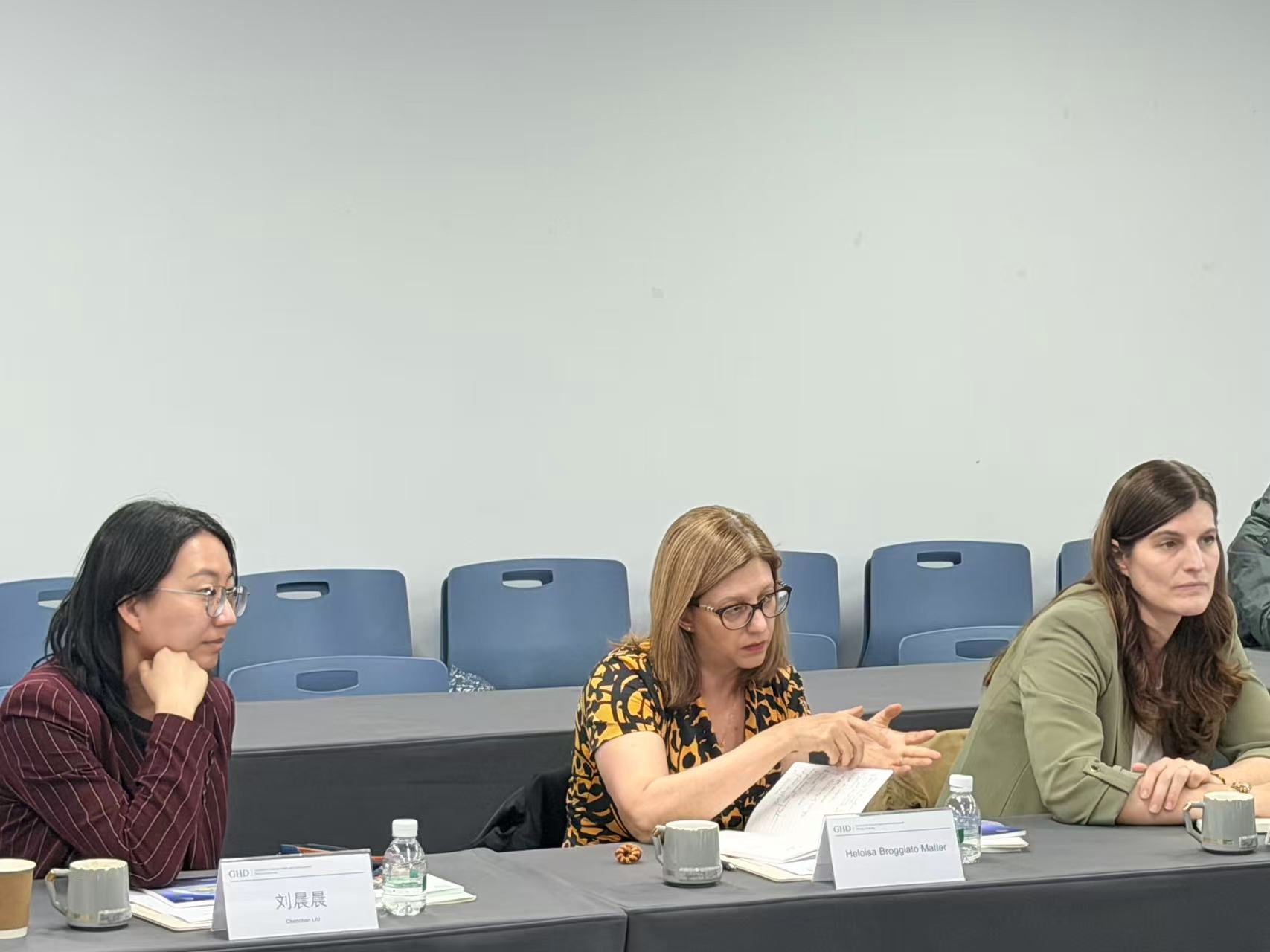
Roundtable discussion
At the conclusion of the meeting, Professor Cheng Huang, Assistant Dean of GHD, delivered the closing remarks. He noted that the exchange had deepened mutual understanding of research priorities and potential areas of collaboration, and had laid a foundation for further dialogue on global health, research cooperation, and planetary health-related issues.
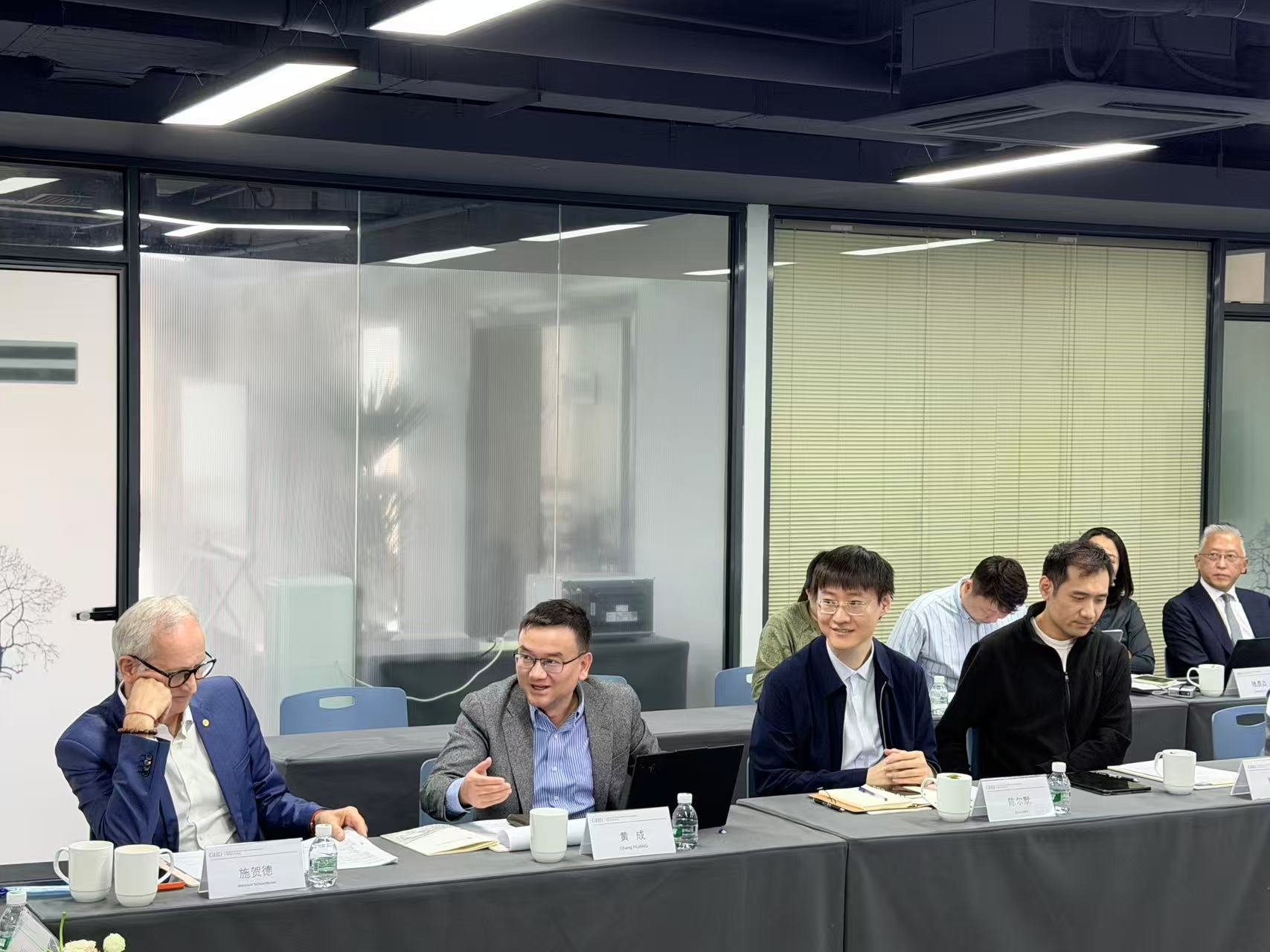
Closing Remarks by Professor Cheng Huang


