

In 2025, with strong support and close collaboration from all participating institutions, the Survey of Medical Assessment for Robot Technology (SMART) project achieved several key milestones. The project has now established a robust research framework centered on using real-world data to drive medical technology value assessment, laying a solid foundation for advancing the evidence base for surgical robotics and strengthening China’s Health Technology Assessment (HTA) capacity.
1.Steady Progress in SMART Cohort Construction and Management
The SMART cohort remains the largest and most systematically designed HTA cohort for medical robotics worldwide, focusing on comparative evaluation of robot-assisted versus open and laparoscopic surgery for low- and mid-rectal cancer. In 2025, national patient enrollment was formally launched. Sixteen participating centers initiated prospective real-world data collection, accompanied by structured follow-up at 1, 3, 6, 9, 12, 18, 24, 30, and 36 months after surgery. By the end of 2025, more than 500 patients had been enrolled, with both recruitment and follow-up progressing smoothly.
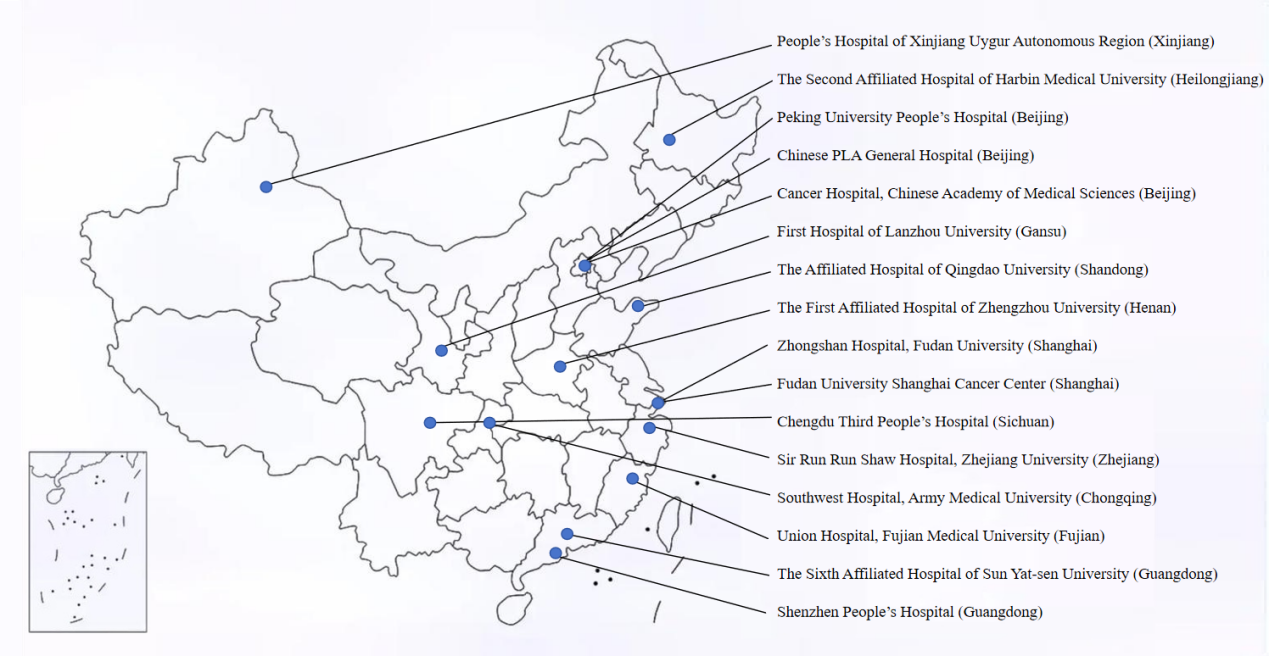
16 Sub-center of SMART Cohort Study
2.Continuous Expansion of the Parallel Research Program
In 2025, four new parallel studies were initiated, bringing the total to 12 funded projects. These studies address a wide range of topics—including clinical effectiveness, cost and economic evaluation, micro-costing studies, and policy translation—substantially enriching the real-world evidence base for robotic-assisted surgery. Findings from parallel studies have been published in domestic and international peer-reviewed journals such as Hepatobiliary Surgery and Nutrition and the Journal of Clinical Orthopaedics and Research, contributing to the academicization, standardization, and international dissemination of evidence on the value of surgical robotics.
Table 1 Summary of SMART Parallel Studies
Sequence Number |
Topic Name |
Affiliated Institution |
Principal Investigator (PI) |
1 |
Clinical Efficacy and Health Economic Evaluation of Robot-Assisted Hip and Knee Arthroplasty based on Real-World Data |
PKU Institute for Global Health and Development |
Beini Lyu |
2 |
Assessment of the Impact of Introducing Surgical Robots on Surgical Risk |
PKU Institute for Global Health and Development |
Ermo Chen |
3 |
Clinical Evaluation Study of Robot-Assisted Radical Prostatectomy based on Real-World Data |
West China Hospital of Sichuan University |
Lei Chen |
4 |
Does Robotic Surgery Help Reduce the Economic Burden of Hepatopancreatobiliary Malignancies? A Cost-of-Illness Study |
PKU Institute for Global Health and Development |
Ziting Wu |
5 |
The Role of Artificial Intelligence in Promoting Women’s Breakthrough of Career Barriers: An Empirical Analysis Based on Surgical Robotics |
PKU National School of Development |
Junjian Yi |
6 |
Health Economic Study of Robotics and Laparoscopy for Hepatocellular Carcinoma Resection |
Sir Run Run Shaw Hospital affiliated with Zhejiang University School of Medicine |
Xiao Liang |
7 |
Cost-Effectiveness Evaluation of Robot-Assisted Surgery: A Department-Level Perspective |
PKU Institute for Global Health and Development |
Yuhang Pan |
8 |
Analysis of the Current Status and Influencing Factors of Surgical Robot Health Technology Utilization |
West China School of Public Health and West China Fourth Hospital, Sichuan University |
Jay Pan |
9 |
Learning Curves, Clinical Efficacy Comparison, and Health Economic Study of Spinal Surgical Robot-Assisted Lumbar Surgery and Traditional Surgery |
PKU Institute for Global Health and Development |
Shujun Lin |
10 |
Technical Assessment and Clinical Application Study of Robot-Assisted Laparoscopic Hysterectomy for Cervical Cancer Based on Real-World Data |
Medical Data Science Academy, Chongqing Medical University |
Kexue Pu |
11 |
Clinical Evaluation Study of Robotic Distal Pancreatectomy Based on Real-World Data |
Peking Union Medical College Hospital |
Qiang Xu |
12 |
Health Economic Evaluation Study of Orthopedic Robot-Assisted Surgery Based on Real-World Data |
The First Medical Center of the Chinese People's Liberation Army General Hospital |
Gongzi Zhang |
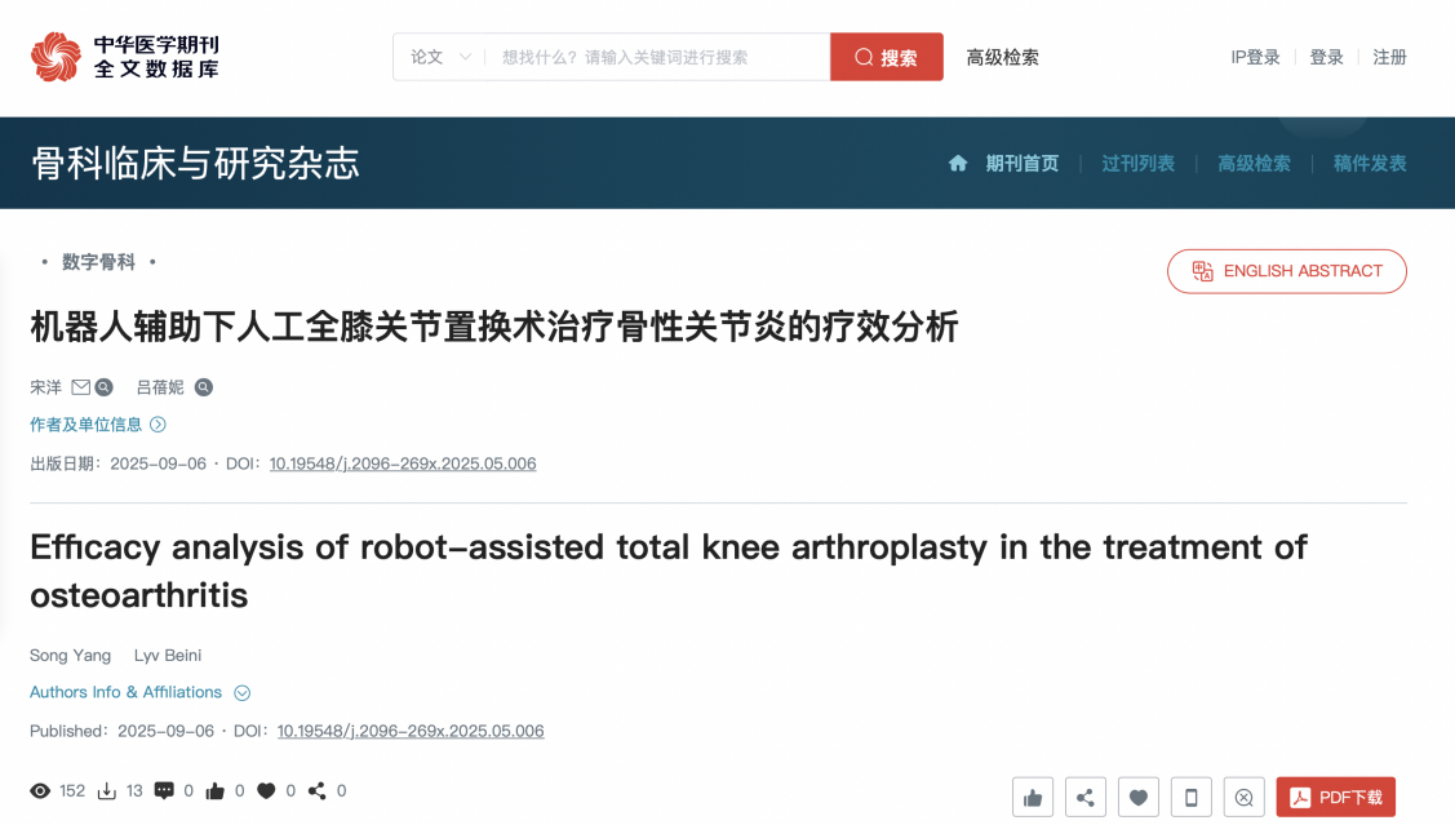
Publication from Parallel Research Program:《Efficacy analysis of robot-assisted total knee arthroplasty in the treatment of osteoarthritis》
(Official Link: https://rs.yiigle.com/cmaid/1575154)
3. Academic Dissemination and Knowledge Sharing
In 2025, the SMART project team published two issues of the SMART Surgical Quarterly, featuring nine articles that reported phased progress from both the cohort and parallel studies. The quarterly covered the latest findings from real-world research, interpreted policy developments in China and abroad, and highlighted frontier work in the health economics of surgical robotics.
Through continuous publication, the Quarterly has promoted cross-institutional and interdisciplinary academic exchange, contributing to the development of an open, collaborative, and knowledge-sharing research ecosystem.

Publication of SMART Surgical Quarterly
Table 2. Table of Contents Published in《SMART Surgical Quarterly》(2025)
Sequence Number |
Issue Number |
Article Title |
1 |
Issue 5 |
Does Robotic Surgery Help Reduce the Economic Burden of Malignant Tumors in the Pancreas? A Cost-of-Illness Study |
2 |
Issue 5 |
Health Economics Evaluation of Robot-assisted Intertrochanteric Fracture Surgery Based on Real-World Data |
3 |
Issue 5 |
Clinical Efficacy and Health Economics Research of Orthopedic Surgical Robot-Assisted Surgery Versus Conventional Surgery: A Multicenter, Observational, Retrospective Cohort Study |
4 |
Issue 5 |
Cost-effectiveness analysis of robot-assisted laparoscopic surgery and conventional laparoscopic surgery in the treatment of early-stage endometrial cancer: a model-based health economic evaluation in China |
5 |
Issue 6 |
Study on the Evaluation of Clinical Efficacy of Robotic versus Laparoscopic Distal Pancreatectomy Based on Real-World Data |
6 |
Issue 6 |
Health Economic Evaluation of Surgical Strategies in Patients with Endometrial Cancer: A Scoping Review |
7 |
Issue 6 |
Clinical Efficacy and Health Economics Research of Orthopedic Surgical Robot-Assisted Surgery Versus Conventional Surgery: A Multicenter, Observational, Retrospective Cohort Study (Latest Research Progress) |
8 |
Issue 6 |
A Systematic Review of Economic Evaluations of Robotic-Assisted Surgery in Colorectal Neoplasms |
9 |
Issue 6 |
Does Robotic Surgery Help Reduce the Economic Burden of Malignant Tumors in the Pancreas? A Cost-of-Illness Study(Latest Research Progress) |
4.Successful Convening of a High-Level Academic Forum
On October 26, 2025, the 2025 Forum on the Survey of Medical Assessment for Robot Technology, co-hosted by the Peking University Institute for Global Health and Development and the China Association of Medical Equipment, was successfully held at Peking University Science Park. Centered on the theme “Real-World Data Driving Medical Robot Value Assessment”, the forum brought together more than thirty experts from academia, government agencies, clinical practice, and industry. Experts affirmed the substantial importance of robot-assisted surgery and engaged in in-depth discussions on the latest advancements in clinical effectiveness research, health economic evaluation, and policy translation. The forum provided valuable insights and strategic recommendations to support the development of a globally impactful real-world evidence system for surgical robotics.
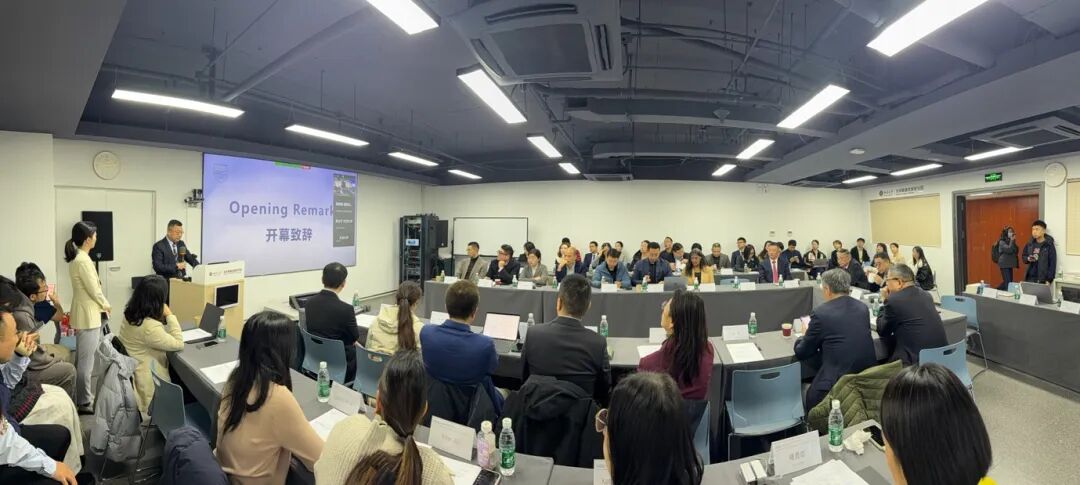
SMART Forum Opening Remark by Zhiyong Li, Vice President and Secretary-General of the China Association of Medical Equipment

SMART Forum Opening Remark by Professor Jianping Wang, Honorary President of the Sixth Affiliated Hospital of Sun Yat-sen University, and Professor Gordon G. Liu, Dean of the PKU Institute for Global Health and Development.

SMART Forum Opening Remakr by Professor Sanjun Cai, Fudan University Shanghai Cancer Center.
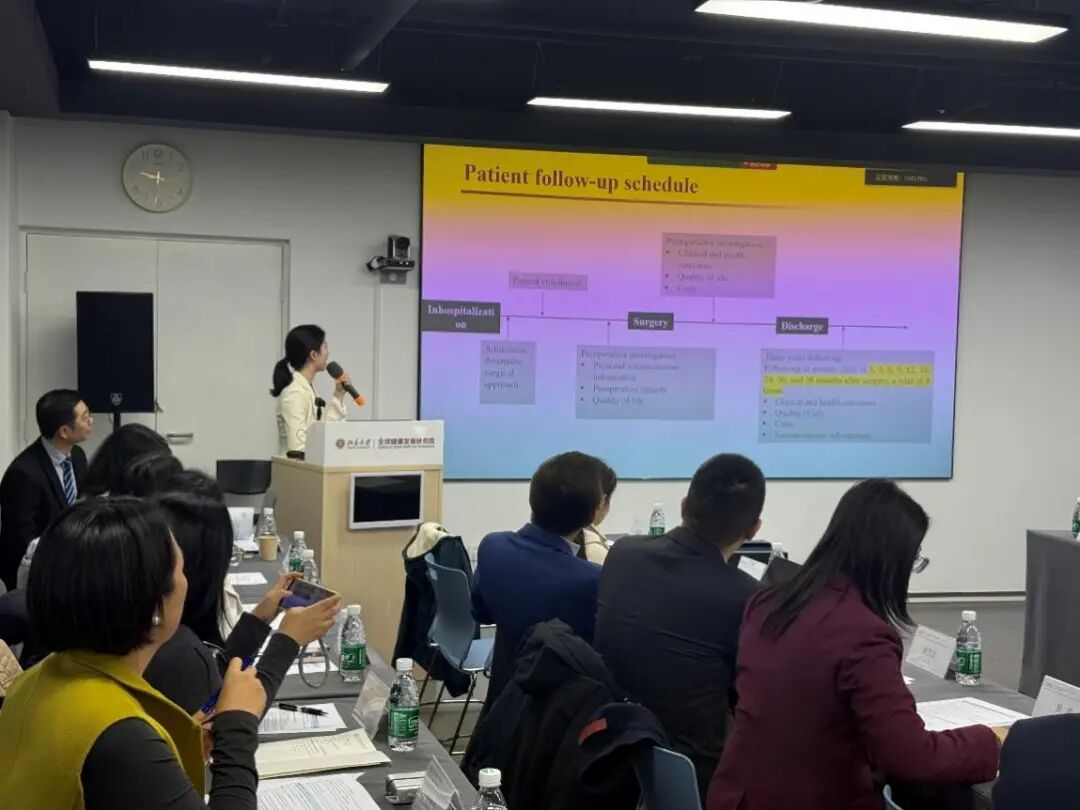
SMART Forum Keynote Speech by Professor Beini Lyu from PKU Institute for Global Health and Development
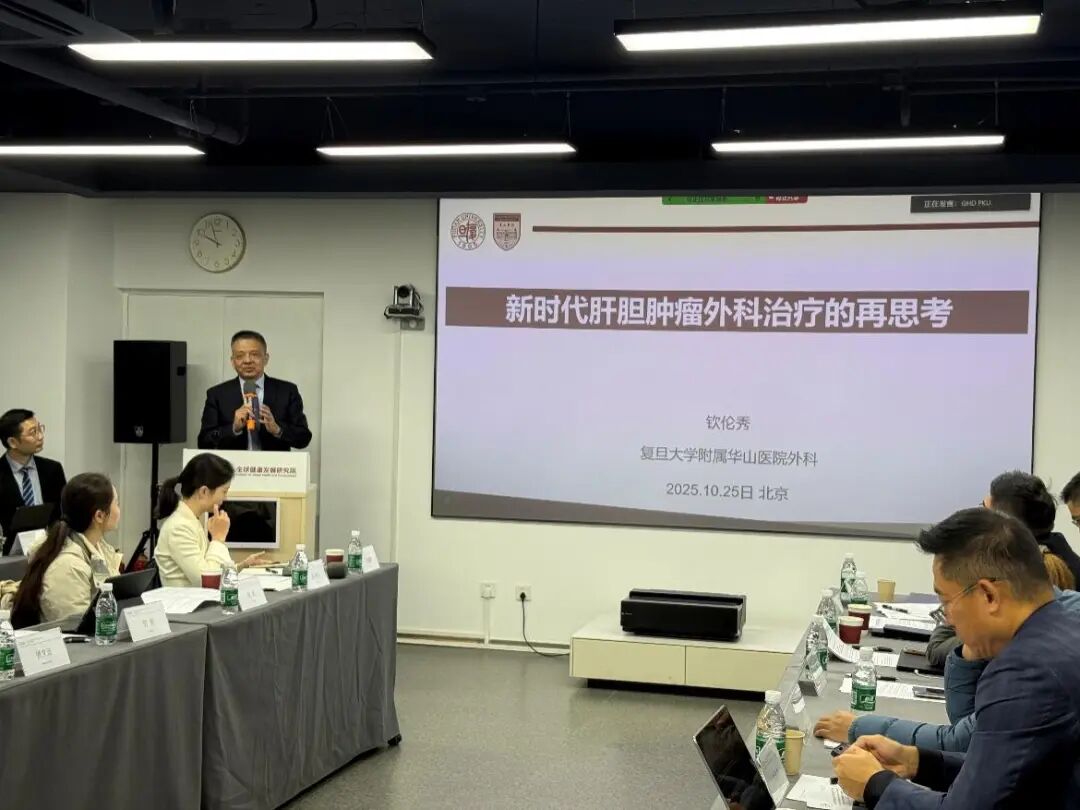
Figure 8 SMART Forum Keynote Speech by Professor Lunxiu Qin from Huashan Hospital affiliated to Fudan University
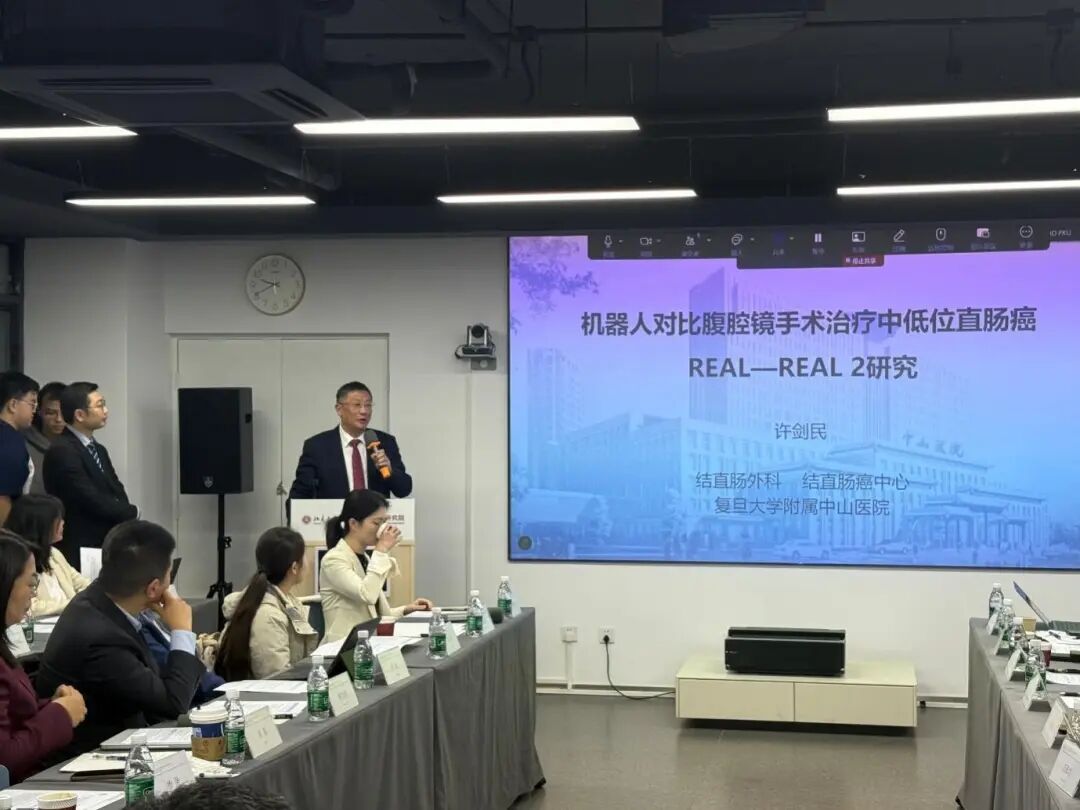
SMART Forum Keynote Speech by Professor Jianmin Xu from Zhongshan Hospital affiliated to Fudan University
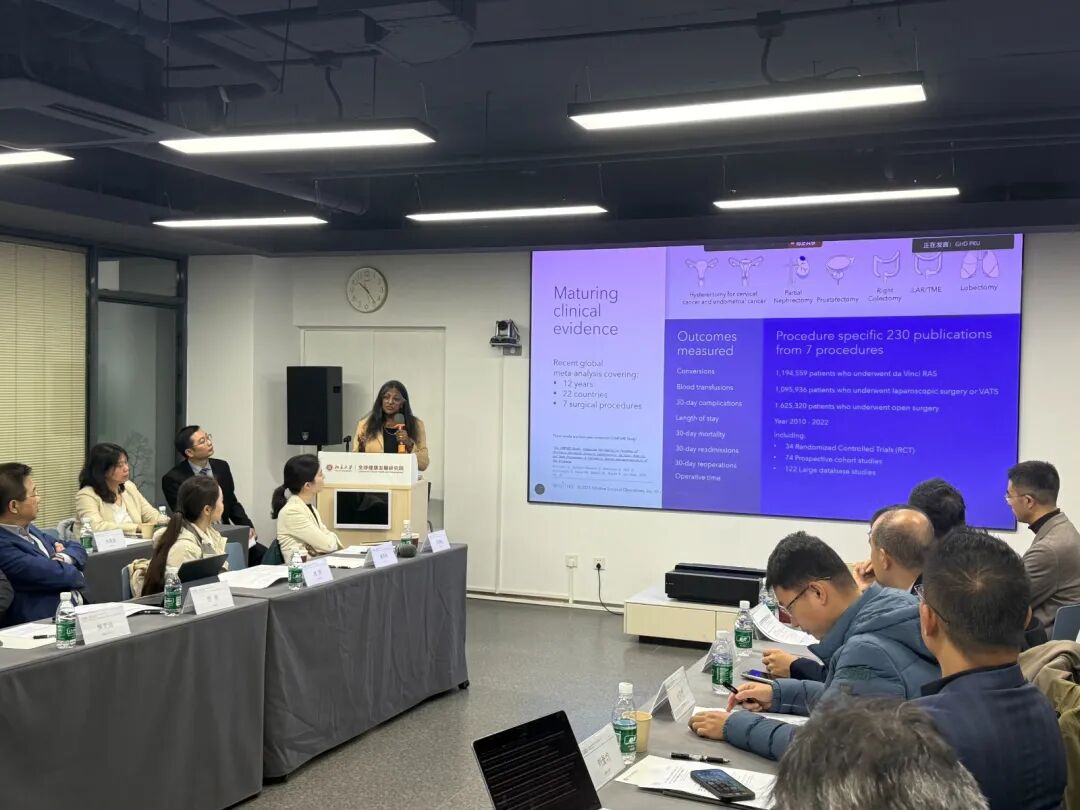
SMART Forum Keynote Speech by Usha Kreaden from Intuitive Surgical
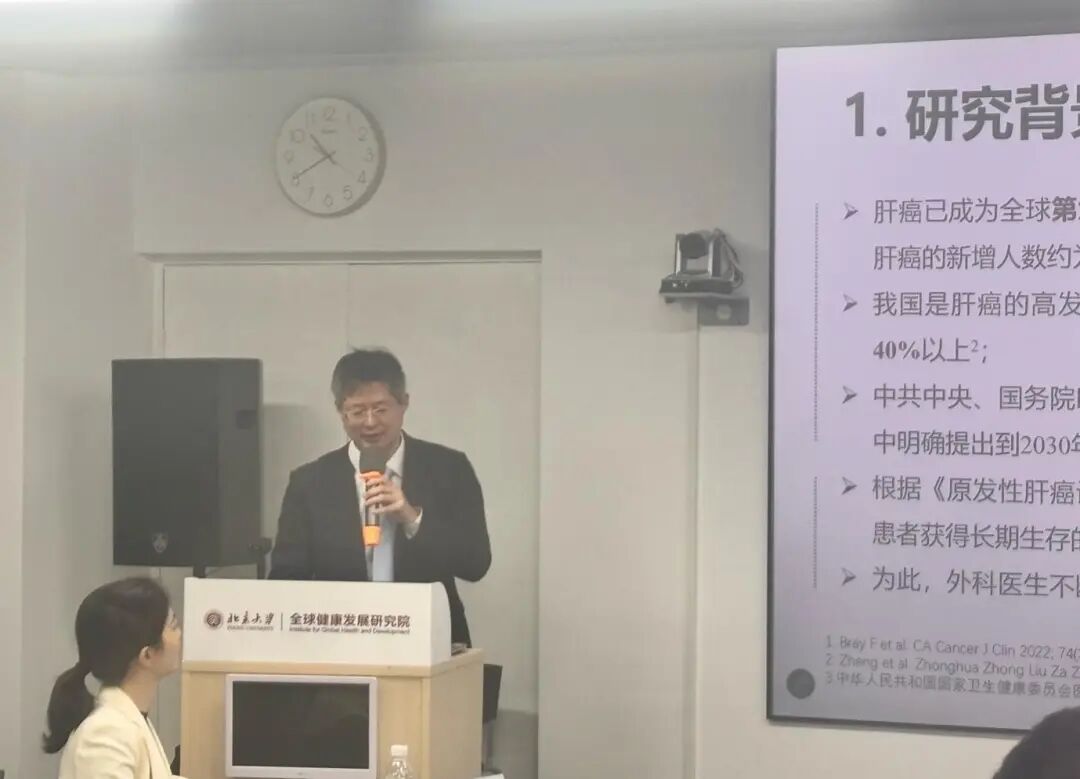
SMART Forum Parallel Study Report by Professor Xiao Liang from Sir Run Run Shaw Hospital affiliated with Zhejiang University School of Medicine
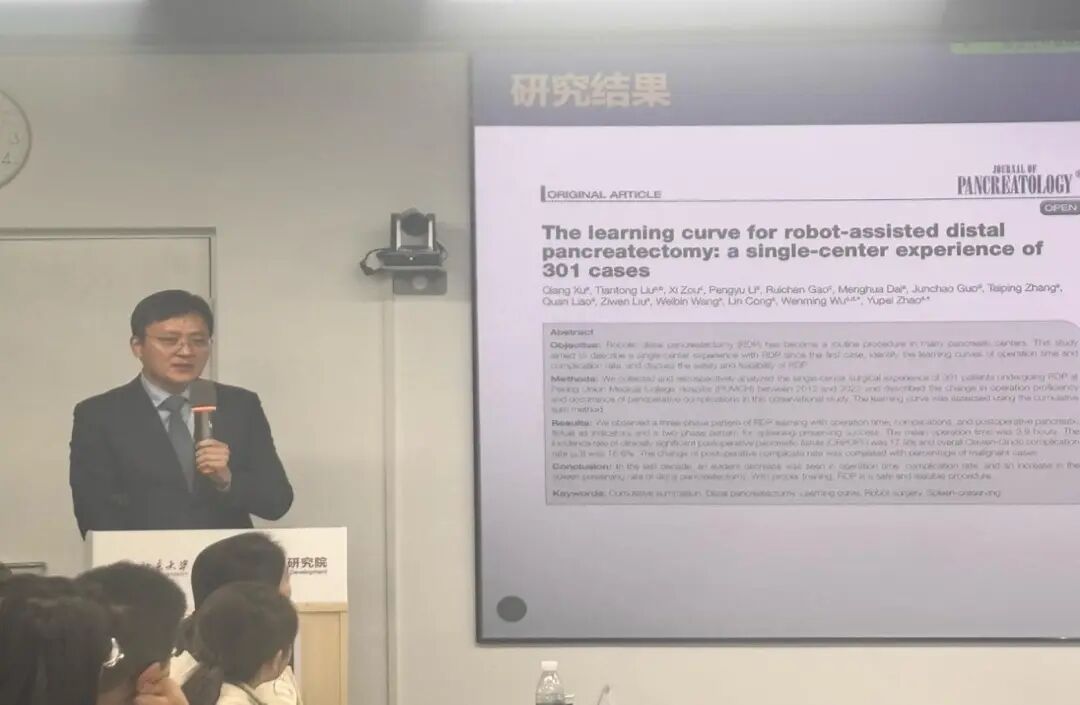
SMART Forum Parallel Study Report by Professor Qiang Xu from Peking Union Medical College Hospital
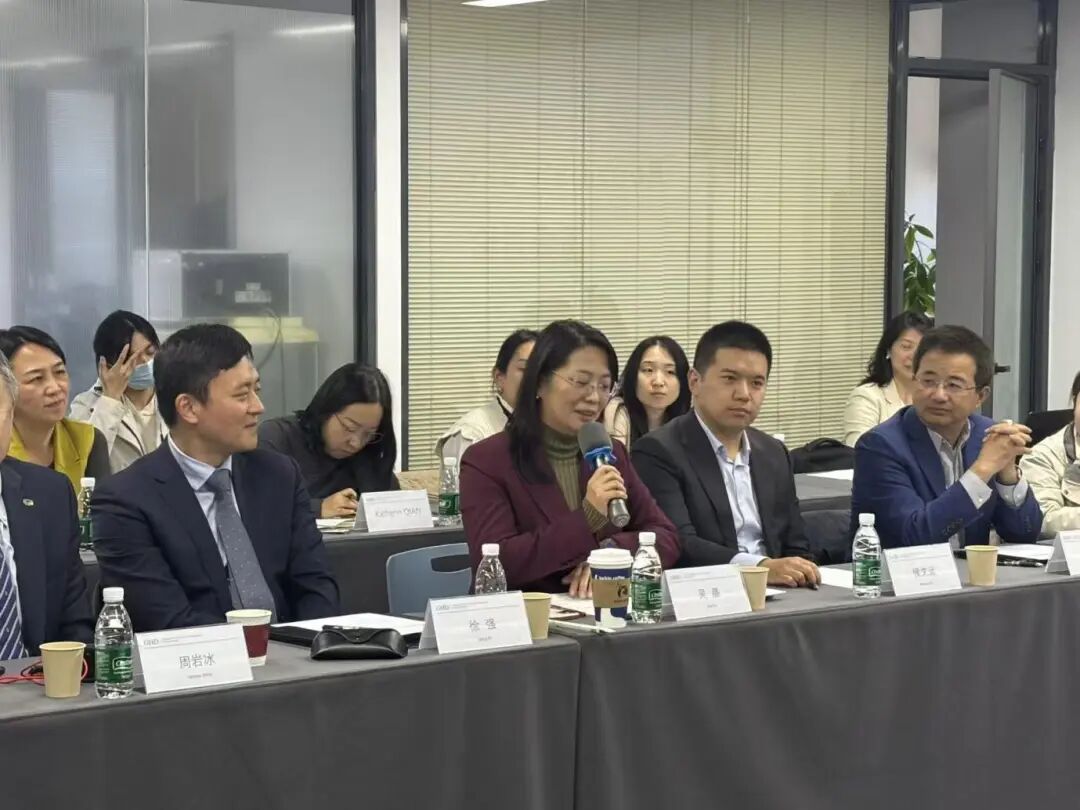
SMART Forum Roundtable Discussion by Professor Jing Wu, Party Secretary of the School of Pharmaceutical Science and Technology, Faculty of Medicine, Tianjin University.

SMART Forum Roundtable Discussion by Dr. Jason Liu, Chief Executive Officer of Intuitive-Fosun.
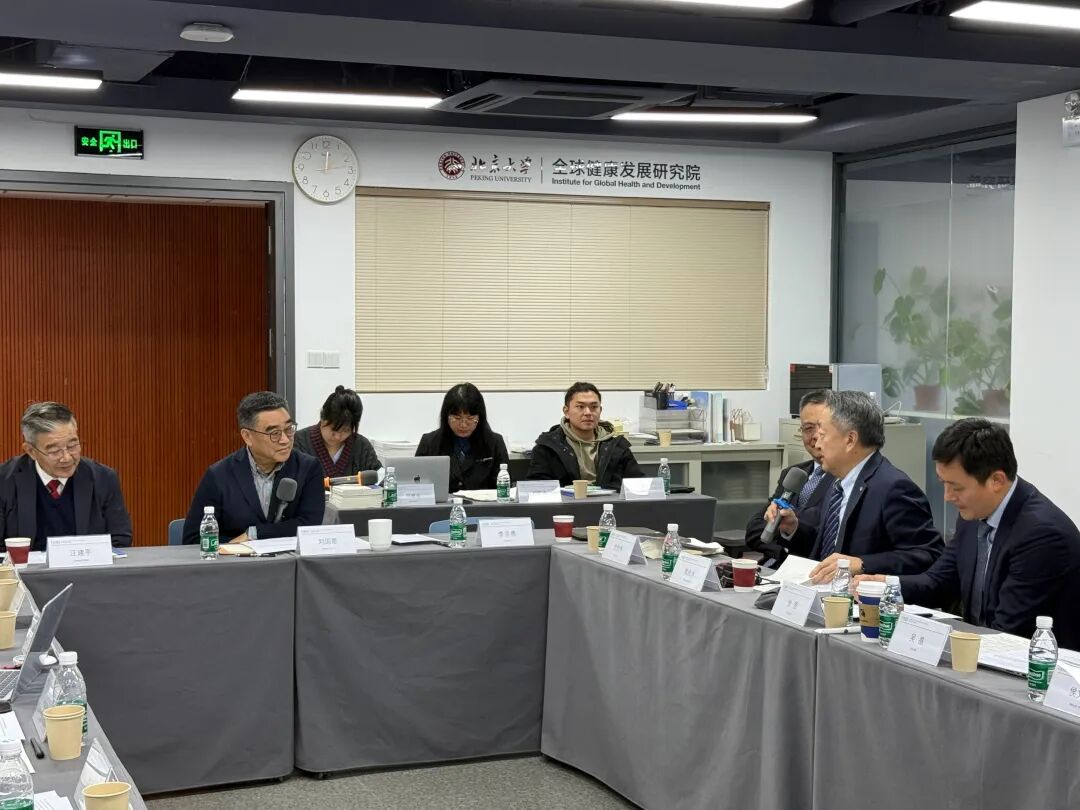
SMART Forum Roundtable Discussion by Professor Yanbing Zhou from Affiliated Hospital of Qingdao University
5. Policy Research and Translation of Think Tank Outputs
In response to the National Healthcare Security Administration’s public call for evidence on the “Application of Real-World Data in the Comprehensive Value Evaluation of Drugs and Medical Devices”, the SMART team submitted two Real-World Evidence (RWE) reports. These reports provided a systematic review of the clinical effectiveness of robot-assisted surgery in China, a multi-dimensional assessment of its economic value, an analysis of pathways for integrating surgical robots into health insurance coverage based on RWE, and policy recommendations related to payment reform and value-based purchasing. Together, these outputs offer evidence-based support for national medical insurance decision-making and contribute to the optimization of China’s health technology assessment and reimbursement policies.


